Is PPF Worth It in West Boylston’s Harsh New England Weather?
New England weather is notoriously brutal on automotive paint, making paint protection film (PPF) an essential investment rather than a luxury. Drivers navigating Route 12 or commuting past the scenic Wachusett Reservoir face a constant barrage of road hazards, from loose gravel to corrosive winter road treatments. If you want to keep your vehicle looking showroom-new, investing in high-quality ppf in west boylston is the single most effective way to prevent permanent exterior damage. This transparent, self-healing urethane layer absorbs impacts and blocks environmental contaminants, preserving your car’s aesthetic appeal and financial resale value.
What is a Paint Protection Film and How Does It Protect Your Car?
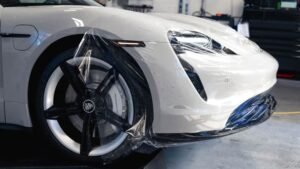
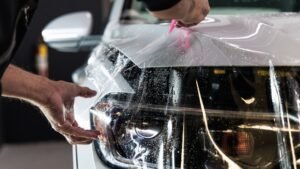
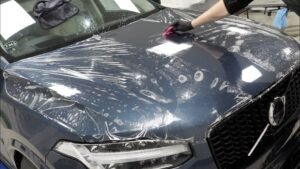
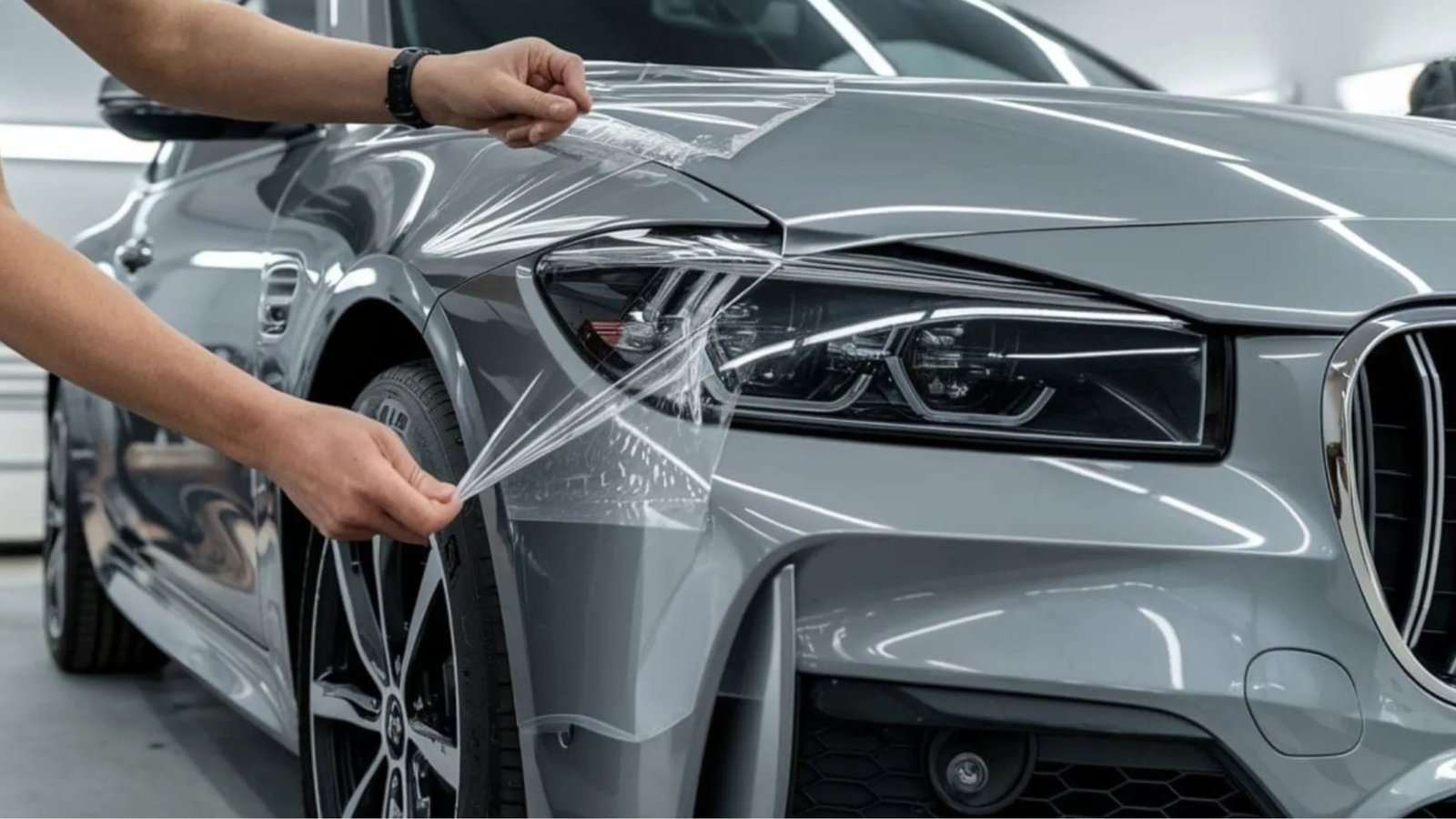
Paint Protection Film, commonly known as PPF or clear bra, is a thermoplastic polyurethane barrier applied directly to the painted surfaces of a vehicle. This advanced film acts as a sacrificial layer that absorbs physical impacts from road hazards and blocks chemical damage from environmental factors.
Modern high-grade films utilize an elastomeric polymer top coat that features advanced self-healing properties. When exposed to heat from the sun or a warm garage, the film naturally sheds light scratches, swirl marks, and minor abrasions. This means your vehicle maintains a glossy, flawless finish without requiring constant paint correction or polishing.
Beyond physical impacts, PPF acts as an impenetrable shield against chemical threats. It prevents acidic bird droppings, tree sap, bug splatter, and harsh industrial fallout from etching directly into your clear coat.
Why is ppf in west boylston Essential for Winter Road Hazards?
Operating a vehicle in Central Massachusetts during the winter presents a unique set of challenges that can quickly destroy your automotive paint. The combination of freezing temperatures, heavy snowstorms, and aggressive road clearing practices creates a hostile environment for any exposed vehicle surface.
As municipal trucks plow Route 140 and clean up the business districts of West Boylston, they distribute massive quantities of coarse sand, gravel, and rock salt. When you drive behind these vehicles or pass oncoming traffic, these abrasive materials are kicked up at high speeds, acting like sandblasters against your front bumper, hood, and fenders.
Standard factory clear coats are relatively thin and brittle, especially when subjected to freezing New England temperatures. Without a durable physical barrier, these flying rocks easily chip through the paint, exposing the raw metal beneath to moisture and oxygen.
What is the Cost of Paint Protection Film in Central Massachusetts?
When looking for high-quality ppf in west boylston, prices will generally vary based on your vehicle size and the coverage package you select. A partial front-end installation is an entry-level option, whereas a full-body application provides comprehensive, seamless defense.
While the initial investment might seem significant, it is important to weigh it against the recurring costs of paint repair and detailing. Respray services for a chipped hood or bumper often cost thousands of dollars, and a repainted panel rarely matches the original factory color perfectly.
Installing a protective film preserves the original factory paint, which is a major factor in maintaining your vehicle’s overall resale value. To learn more about customized packages and receive an accurate price estimate for your specific vehicle, you can contact us to plan a customized protection strategy that fits your budget.
What Are the Long-Term Benefits of Paint Protection Film?
The primary advantage of installing clear bra film is the long-term preservation of your vehicle’s exterior finish. By stopping damage before it ever reaches your clear coat, you keep your vehicle looking as pristine as the day you drove it off the dealership lot.
Some of the key benefits of paint protection film include:
- Exceptional Resistance to Rock Chips: The energy-absorbing polyurethane layer prevents stone chips, road debris, and gravel from cracking your delicate factory paint.
- Incredible Self-Healing Properties: Micro-scratches and swirl marks caused by improper washing or light brushing vanish completely when exposed to heat.
- Outstanding UV and Oxidation Protection: The film contains advanced UV inhibitors that prevent your paint from fading, yellowing, or oxidizing under intense summer sunlight.
- Significantly Enhanced Resale Value: Buyers in the used car market pay a premium for vehicles with flawless, original factory paint that has been documented and protected.
- Simplified Exterior Maintenance: PPF features highly hydrophobic properties, making it much easier to wash off dirt, mud, road grime, and seasonal pollen.
Protecting your vehicle also saves you valuable time and stress. Instead of constantly worrying about where you park or tailing gravel trucks, you can drive with confidence knowing your paint is shielded by a military-grade barrier.
How Does Road Salt Destroy Your Car’s Paint?
Winter road maintenance in Worcester County relies heavily on aggressive de-icing compounds, including rock salt and liquid calcium chloride brine. While these chemical mixtures are necessary to keep local roads safe, they are incredibly destructive to your vehicle’s exterior surfaces.
When salt accumulates on your vehicle, it acts as an electrolyte that accelerates the chemical process of oxidation. If your paint has even a tiny chip from a stray rock, road salt will find that exposed metal, leading to the rapid development of unsightly rust and corrosion.
Furthermore, liquid brine has a sticky consistency designed to adhere to asphalt, which means it also sticks tenaciously to your car’s undercarriage and lower paint panels. To prevent permanent staining and structural damage, you must establish reliable protection against road salt damage before the winter weather officially arrives.
The Chemical Process of Salt Damage
To understand why winter road treatments are so dangerous to unprotected vehicles, here is a step-by-step breakdown of how salt destroys automotive paint:
- Step 1: Exposure: Liquid brine and rock salt are kicked up from local highways, clinging to your car’s lower paint panels and undercarriage.
- Step 2: Electrolyte Formulation: Moisture from melting snow and humidity mixes with the dried salt, creating a highly conductive chemical electrolyte.
- Step 3: Deep Infiltration: This active corrosive liquid immediately flows into microscopic rock chips, clear coat cracks, and surface scratches.
- Step 4: Rapid Oxidation: The salt water accelerates the chemical reaction between metal, moisture, and oxygen, initiating rust beneath the clear coat.
- Step 5: Structural Damage: The rust expands beneath the surface, causing the surrounding paint to bubble, crack, and permanently flake away.
Comparing Winter Paint Protection for Cars: PPF vs. Ceramic Coating vs. Wax
When evaluating winter paint protection for cars, it is important to understand that different products offer vastly different levels of defense. While traditional waxes and modern ceramic coatings are excellent for chemical resistance, only paint protection film provides true physical impact protection.
The following table compares the performance of these three popular protective solutions:
| Protective Feature | Traditional Car Wax | Ceramic Coating | Paint Protection Film (PPF) |
| Physical Rock Chip Defense | Non-existent | Minimal | Exceptional (Urethane Barrier) |
| Self-Healing Properties | No | No | Yes (Heat-activated) |
| Chemical & Salt Resistance | Moderate (Short-term) | Excellent (Long-term) | Excellent (Long-term) |
| Hydrophobic & Easy Cleaning | Moderate | Superior | Excellent |
| Average Lifespan | 1 to 3 months | 2 to 5 years | 5 to 10 years |
| UV Blockers & Fade Prevention | Light | High | Maximum |
While ceramic coatings are fantastic for creating a high-gloss shine and shedding dirty winter slush, they are only a few microns thick. They cannot stop a piece of sharp gravel traveling at highway speeds from chipping your paint, which is why combining PPF on high-impact areas with a ceramic coating is the ultimate defense strategy.
Which Areas of Your Vehicle Need PPF the Most?
When customizing your vehicle protection strategy, you do not necessarily have to wrap the entire vehicle to achieve great results. Focusing on the high-impact areas that face the direct path of road debris is a smart and cost-effective approach.
The most common installation packages include:
- The Full Front Package: This covers the entire front bumper, full hood, front fenders, and side mirrors, shielding the areas most vulnerable to highway debris.
- The Track Package: This adds protection to the rocker panels, lower doors, and rear wheel arch areas, which are constantly pelted by debris kicked up by your own tires.
- The Full Vehicle Package: This covers every single painted exterior surface, providing complete, worry-free protection against shopping carts, door dings, and environmental fallout.
If you are unsure which package matches your driving habits and budget, you can schedule a paint protection consultation with a local technician who understands the specific hazards of driving in Central Massachusetts.
How Long Does PPF Last in the Worcester County Climate?
A professional, high-quality PPF installation can easily last anywhere from 5 to 10 years when cared for properly. The actual lifespan of the film depends heavily on the quality of the material used, the precision of the installation, and your ongoing maintenance habits.
To maximize the lifespan of your clear bra in West Boylston, you should wash your car regularly to remove corrosive road salt, avoid using high-pressure wash wands too close to the film edges, and apply a specialized PPF sealant or ceramic topper. Parking your vehicle in a garage or under a carport when not in use also protects the film from unnecessary UV exposure and extreme temperature swings.
Frequently Asked Questions About PPF in Central Massachusetts
Is PPF really worth the investment for average daily drivers?
Yes, paint protection film is highly recommended for daily drivers, especially in New England. Daily commutes on busy highways like I-190 expose vehicles to constant rock chips, road debris, and winter de-icing chemicals that quickly degrade your vehicle’s paint and lower its market value.
Can PPF be applied over damaged or chipped paint?
While PPF can technically be applied over existing chips, it is not recommended because the film will not adhere perfectly to damaged areas. Any air pockets trapped beneath the film can compromise its look and performance, which is why professional paint correction is always advised before installation.
Will the film yellow or peel over time in cold winter conditions?
Premium modern films are engineered with highly advanced polyurethane technology that resists yellowing and cracking from UV rays and freezing winter weather. Choosing a reputable installer who offers a comprehensive manufacturer warranty protects you against any premature material failures.
How do you wash a car that has paint protection film installed?
You should hand-wash your vehicle using a pH-neutral car shampoo and clean microfiber mitts to keep the film looking its best. Avoid automatic car washes that use abrasive plastic brushes, as these can create heavy scratching and lift the edges of the film over time.
Can PPF be safely removed from the vehicle later?
Yes, high-quality paint protection film can be safely removed by a professional without damaging your original factory paint. The advanced adhesives are designed to release cleanly, leaving your paint looking exactly as it did the day the film was first applied.
Protect Your Investment with Aesthetic Auto Solutions
Navigating the roads around West Boylston, Holden, and Sterling during the harsh winter months does not have to result in a chipped, ruined exterior. Preserving your vehicle’s factory paint is an essential step in maintaining both its visual appeal and its long-term financial value. By choosing to install premium ppf in west boylston, you are making a proactive choice to protect your vehicle from the continuous onslaught of road salt, flying gravel, and harsh seasonal weather.
At Aesthetic Auto Solutions, we specialize in delivering professional, high-end vehicle protection services tailored to the unique demands of Central Massachusetts drivers. Our experienced team uses only premium, industry-leading films and state-of-the-art installation techniques to ensure seamless, invisible, and incredibly durable results. Let us help you keep your vehicle looking pristine through every changing season, ensuring peace of mind every time you pull out of your driveway.