Which Areas of Your Vehicle Need PPF the Most in West Boylston?
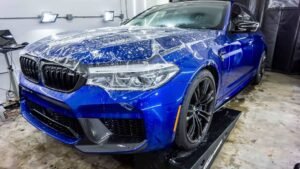
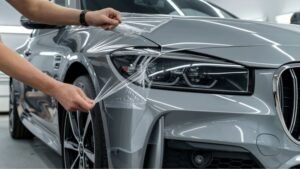
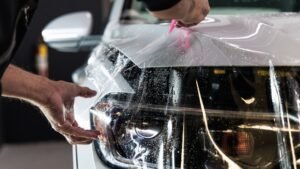
Maintaining the showroom shine of a vehicle in Central Massachusetts is a constant struggle against flying road debris, seasonal weather hazards, and abrasive highway grit. If you are trying to keep your car looking brand new, investing in premium ppf in west boylston provides an incredibly durable, optically clear barrier that absorbs physical impacts. However, wrapping an entire vehicle may not fit every driver’s budget or specific needs. Understanding which panels face the highest risk of damage allows you to target your coverage precisely where it matters most.
What areas of a car should you put PPF on?
The areas of a car that should always receive paint protection film are the front bumper, the entire hood, the side mirrors, and the front fenders. These specific panels comprise the leading edge of your vehicle and receive over ninety percent of all physical impacts from road debris. Shielding these high-exposure zones represents the most cost-effective way to prevent unsightly rock chips and paint pitting.
When a vehicle travels at highway speeds, it constantly collides with airborne particles. Road sand, loose gravel, and small asphalt fragments are continuously kicked up by surrounding traffic. Because these hazards strike the front of your car directly, leaving these panels bare guarantees paint damage over time.
While the front bumper is the absolute most vulnerable component, the hood is a close second. Rocks often bounce off the pavement at a low angle, striking the flat surfaces of the hood and leaving deep, highly visible gouges. By focusing your protection on these primary impact areas, you preserve the most visible sections of your vehicle’s factory paint.
Why Selecting PPF in West Boylston is Key to Coverage Decisions
Choosing targeted ppf in west boylston is a highly practical decision because our local regional environment presents very specific paint hazards. Drivers in Worcester County face a unique mix of high-speed highway commuting, severe winter road treatment, and seasonal organic contaminants. Customizing your film coverage based on these local driving conditions ensures your vehicle is fully prepared for whatever the road throws its way.
Daily commutes along major regional corridors like Route 12, Route 140, and Interstate 190 expose vehicles to dense commercial traffic. Dump trucks and heavy construction vehicles frequently travel these routes, dropping abrasive materials directly onto the roadway. The resulting stone chips can quickly turn a flawless factory bumper into a pitted, worn-out surface.
Winter weather in neighboring communities like Holden, Sterling, and Clinton requires municipal trucks to spread heavy amounts of rock salt and sand. When kicked up by winter tires, these materials act like continuous sandpaper against your car’s nose. This abrasive mixture is especially damaging to low-riding sedans and sports cars that sit closer to the ground.
During the warmer months, parking near local landmarks like the historic Wachusett Reservoir or the West Boylston Town Common exposes vehicles to different threats. Acidic pine sap, oak pollen, and bird droppings from dense tree canopies can chemically etch into unprotected clear coats. Having a durable protective film on your hood and roof prevents these organic acids from leaving permanent stains on your paint.
What Are the Most Vulnerable Exterior Parts of Your Car?
Deciding where to install ppf in west boylston requires looking closely at real-world driving data and regional road conditions. Different panels of your vehicle experience vastly different levels of physical and chemical wear during a typical commute. By analyzing these high-risk areas, you can choose the perfect coverage level for your specific driving habits.
The Front Bumper: Your Primary Shield
The front bumper is the absolute highest priority for protective film because it sits directly in the path of oncoming debris. It is the very first point of contact for flying stones, road sand, and low-flying insects. Because modern bumpers are made of flexible plastic, paint chips on this area can lead to rapid paint flaking and peeling.
Applying film to the front bumper ensures that the paint underneath remains completely untouched by road rash. The elastic polyurethane absorbs the kinetic energy of small rocks, distributing the force safely across the surface. This prevents the brittle factory clear coat from cracking or fracturing upon impact.
The Hood: Guarding Against Low-Angle Projectiles
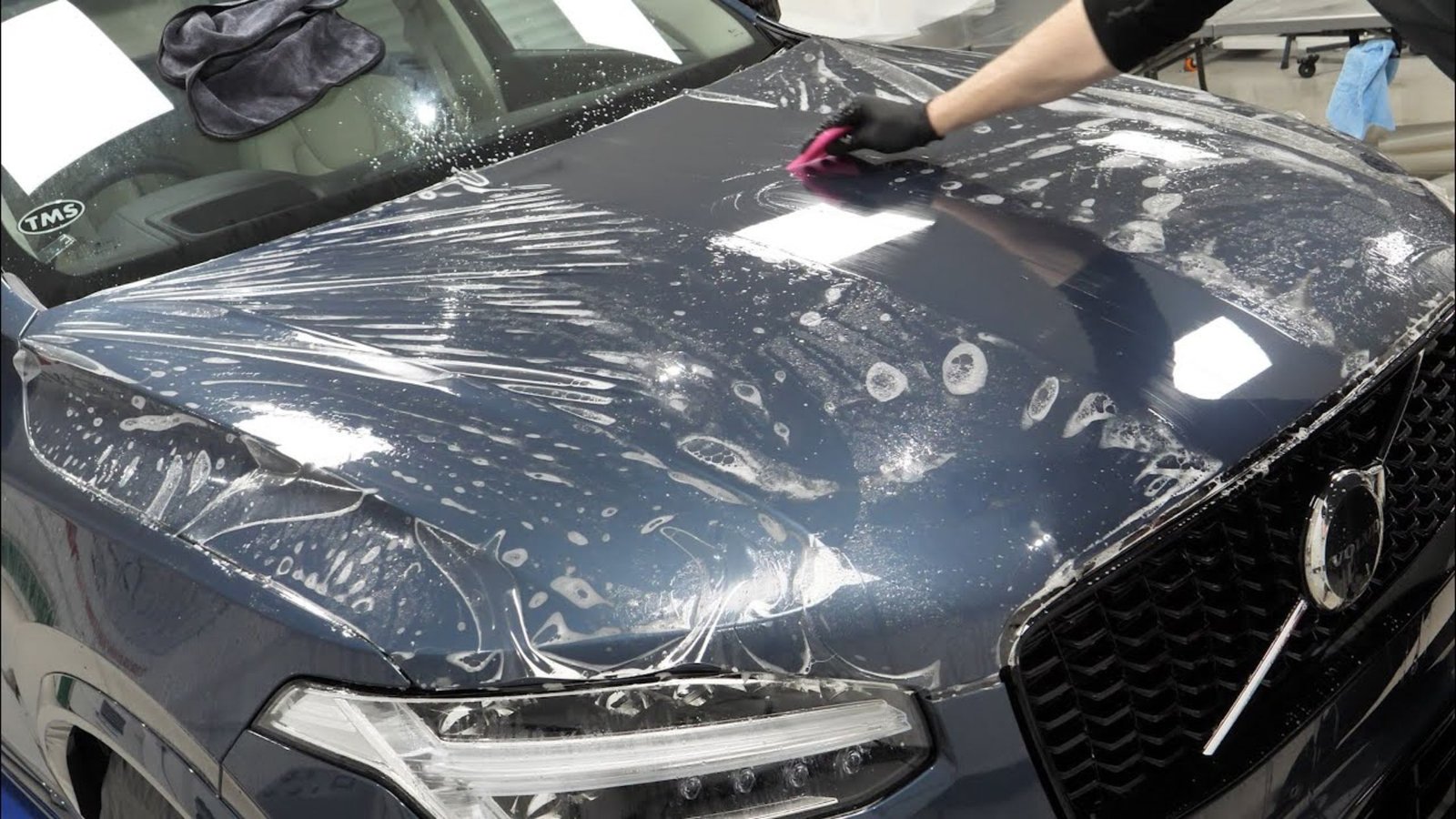
The hood is highly susceptible to low-angle stone impacts that deflect off the front bumper or rise from the tires of leading vehicles. Because the hood is a large, flat panel, any paint chip or scratch on its surface is immediately visible under direct sunlight. Water and road salt can also pool in these paint chips, leading to rust formation on steel hoods.
Using a full hood wrap completely eliminates the risk of unsightly paint chips on this highly visible panel. It also provides comprehensive protection against aggressive environmental contaminants. Acidic tree sap and bird droppings can be easily wiped away from the film without any risk of etching the clear coat.
Fenders and Side Mirrors: Preventing Diagonal Hazards
Front fenders and side mirrors face significant damage from diagonal debris deflection and lane-change spray. As you pass other vehicles or navigate tight turns, gravel is thrown sideways from surrounding tires. Side mirrors also stand out from the body of the car, catching bugs and road debris at high speeds.
Protecting these areas preserves the clean, seamless lines of your vehicle’s front profile. Fenders are also prone to scratching around the wheel wells where road debris is slung upward by your own tires. Wrapping these sections ensures that every angle of your vehicle’s front end is fully shielded.
Rocker Panels and Rear Wheel Arches: Stopping Tire-Thrown Debris
Rocker panels are the lower side sections of your car that run between the front and rear wheels. These areas are constantly bombarded by rocks, sand, and water thrown directly rearward by your own front tires. Rear wheel arches face a similar threat, especially on wide-body sports cars and SUVs with flared fenders.
If you frequently drive on gravel roads or travel through winter sanding zones in towns like Shrewsbury or Boylston, these lower panels will degrade quickly. Applying protective film to the rocker panels is a highly effective way to prevent the lower portions of your car from looking dull and weathered.
Luggage Area and Door Cups: Stopping Daily Contact Scratches
Not all paint damage comes from flying road debris on the highway. Daily physical contact can also cause unsightly wear and tear on specific areas of your car. The top surface of the rear bumper, right where you load luggage and groceries into the trunk, is highly prone to deep scrapes and scuffs.
Door handle cups are another common wear zone, as fingernails, rings, and keys inevitably scratch the paint inside the pocket over time. Applying small, pre-cut pieces of protective film to these areas is a simple way to prevent daily wear. These minor additions keep the highly touched parts of your vehicle looking pristine.
Comparing PPF Packages: Which One Fits Your Needs?
To help you decide which coverage option aligns with your driving habits and budget, we have compiled a direct comparison of the most common film installations. This breakdown highlights the specific areas protected and the primary benefits of each package.
| Coverage Option | Panels Protected | Primary Benefit | Best Suited For |
| Partial Front | Bumper, mirror caps, front portion of hood and fenders | Highly cost-effective entry-level protection | Drivers sticking to local city speeds and short commutes |
| Full Front PPF | Entire bumper, full hood, full front fenders, side mirrors | Comprehensive defense for all primary impact zones | Daily highway commuters traveling Route 12 and Interstate 190 |
| Track Pack | Full front, rocker panels, rear impact areas, A-pillars | Advanced protection for high-exposure side panels | Performance cars, low-riding sports cars, and SUVs |
| Full Body Wrap | Every single painted exterior panel of the vehicle | Maximum physical armor and uniform gloss levels | Luxury vehicles, exotic cars, and long-term collector models |
How to Choose the Right Level of Automotive Protection
Selecting the ideal level of high-impact paint protection depends heavily on your vehicle type, your typical driving routes, and your long-term ownership goals. If you drive a lease that you plan to return in three years, a partial paint protection film package might provide the perfect amount of coverage to avoid turn-in fees. For enthusiasts who plan to keep their vehicles for a decade, investing in more comprehensive coverage is a wise decision.
If you want custom advice on which panels to wrap for your specific vehicle, you can contact us to speak with our local technicians.
We can analyze your typical driving habits and recommend a tailored package that maximizes your protection. This personalized approach ensures you do not pay for coverage you do not need, while fully safeguarding the most vulnerable areas of your car.
For daily commuters traveling through high-risk winter sanding zones, combining front-end film with a ceramic coating on the remaining panels is an exceptional hybrid strategy. This combination gives you heavy-duty impact defense where rocks strike, while making the rest of your vehicle incredibly easy to clean. The smooth, hydrophobic properties of a professional coating prevent road grime from clinging to your side doors and rear trunk.
Frequently Asked Questions About Targeted Paint Protection
Is a partial hood wrap visible compared to a full hood wrap?
Yes, a partial hood wrap will leave a faint, visible line across the middle of your hood where the film ends. While modern high-performance films are incredibly thin and clear, dust and wax can occasionally collect along this seam, making it slightly noticeable on lighter-colored cars. Choosing a full hood wrap eliminates this line completely, providing a seamless and invisible finish.
Does the film protect against shopping cart dings and door scrapes?
Yes, paint protection film is highly effective at preventing paint transfers, scuffs, and deep scratches from shopping carts or neighboring car doors. While it cannot prevent structural metal dents from heavy physical impacts, it will keep the clear coat underneath from cracking or chipping, saving you from expensive paint repairs.
Can PPF be applied to carbon fiber or plastic trim pieces?
Yes, professional-grade film can be safely applied to gloss carbon fiber, factory-painted plastic trim, and painted chrome elements. However, it cannot properly adhere to textured plastic bumpers or matte rubber trim due to the uneven surface texture. A professional installer will evaluate your vehicle’s trim to ensure proper adhesion before application.
Will the paint fade unevenly if I only cover the front of my car?
No, premium modern films are engineered with advanced UV-transmitting technology that allows natural solar radiation to pass through the polyurethane. This ensures that the paint underneath the covered panels fades at the exact same natural rate as the unprotected sections of your car. If you ever decide to remove the film after several years, the paint color will match perfectly across the entire vehicle.
How long does a professional PPF installation take to complete?
A professional installation typically takes between one to three days to complete, depending on the size of the vehicle and the complexity of the coverage package. This timeframe allows our technicians to perform intensive paint correction, clean every crevice, wrap the edges carefully, and allow the adhesive to begin curing in a controlled environment.
Conclusion: Safeguard Your Paint with Smart Coverage
Investing in professional paint protection is the absolute best way to shield your vehicle from the harsh driving conditions of Central Massachusetts. By targeting high-impact areas like the front bumper, hood, and side mirrors, you can build a highly effective defensive shield that prevents rock chips and preserves your car’s resale value. Customizing your coverage to match your unique driving routes ensures that your automotive investment remains beautiful for years to come.
When you want to experience the absolute highest standard of vehicle preservation, getting high-quality ppf in west boylston ensures that your vehicle is fully prepared for any local road hazard. At Aesthetic Auto Solutions, we specialize in delivering meticulous vehicle protection services from our professional facility located right on Hartwell Street. We are incredibly proud of our commitment to excellence and maintain a perfect 5 star google rating as of today, helping local daily drivers navigate their commutes with complete peace of mind.