Why Is Window Tinting in West Boylston Worth It for Your Car?
Choosing window tinting in West Boylston is a strategic decision for vehicle owners who want to preserve their car’s interior and improve driving comfort during New England’s fluctuating seasons. From the humid summer heat near Wachusett Reservoir to the biting glare of winter sun on snow-covered roads, high-quality window film acts as a protective barrier. Residents often find that standard factory glass does not provide enough heat rejection or UV filtration to prevent leather cracking or skin damage over time. By investing in professional-grade films, you are not just changing the look of your vehicle; you are implementing a long-term solution for temperature control and safety.
What are the benefits of car window tinting?
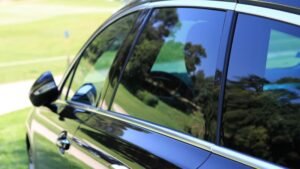
The primary benefit of car window tinting in West Boylston is the significant reduction of interior cabin temperatures. High-performance ceramic and carbon films can block up to 60 percent of solar energy from entering the vehicle. This means your air conditioning system does not have to work as hard during summer commutes through the center of town or while parked near Goodale Park. Beyond heat, window tinting provides essential UV protection for vehicles, blocking nearly 99 percent of harmful ultraviolet rays that cause skin aging and interior fading.
Safety is another critical advantage that many drivers overlook. In the event of an accident or a window strike, the window film helps hold shattered glass together. Instead of shards flying into the cabin, the film maintains the structural integrity of the glass. This added layer of security is particularly valuable for families traveling along Route 12 or Route 110. Additionally, the reduction in sun glare during sunset and sunrise improves visibility, making it much safer to navigate busy intersections near the Old Stone Church.
Understanding Massachusetts Window Tint Regulations in West Boylston
Yes, window tinting in West Boylston is legal as long as it adheres to the specific regulations set by the Commonwealth of Massachusetts. The law requires that window film allow more than 35 percent of light to pass through the glass on all side windows and the rear windshield. This is known as Visible Light Transmission or VLT. Massachusetts is quite strict about these standards to ensure that law enforcement officers can see into vehicles for safety during traffic stops and to maintain driver visibility in various weather conditions.
It is important to note that the 35 percent VLT limit applies to the total light transmission of the window and the film combined. Since most factory glass already has a slight tint, professional installers must use a film that accounts for this base layer to stay within legal limits. Many local drivers opt for high-quality heat reduction window film that provides maximum thermal rejection without needing to be extremely dark. This allows you to stay cool and protected while remaining fully compliant with state inspection requirements.
How does heat reduction window film improve driving comfort?
Heat reduction window film works through advanced multi-layer technology designed to reflect and absorb infrared radiation. Unlike traditional dyed films that simply darken the window, modern ceramic films contain microscopic particles that specifically target the spectrum of light responsible for heat. When you are driving near the West Boylston Town Common on a mid-July afternoon, the difference in cabin temperature is immediately noticeable. The film prevents the “greenhouse effect” where heat becomes trapped inside the vehicle.
- Maintains a consistent cabin temperature without maxing out the AC.
- Reduces “hot spots” where the sun hits the driver’s arm or legs directly.
- Protects electronic components like dashboard screens from overheating.
- Increases fuel efficiency by reducing the load on the vehicle’s engine.
By lowering the internal temperature, the film also preserves the lifespan of your vehicle’s upholstery. High temperatures can cause adhesives in the headliner to fail and plastic trim to become brittle. If you have questions about which film type is best for your specific make and model, you can contact us to speak with a specialist who understands the local climate needs. Preventing these issues early saves car owners significant money on restoration and detailing services in the future.
Does UV protection for vehicles really prevent interior fading?
UV protection for vehicles is the most effective way to stop the degradation of interior materials like leather, vinyl, and high-end fabrics. Ultraviolet rays are responsible for approximately 40 percent of the fading and damage seen in car interiors. Even on cloudy days in Central Massachusetts, UV radiation penetrates through standard glass and begins breaking down the chemical bonds in dyes and materials. Over time, this leads to the “bleached” look on top of rear seats and the cracking of leather steering wheels.
Professional window films act as a sunscreen for your car. They are engineered with UV absorbers that prevent these rays from reaching the interior surfaces. This is especially important for luxury vehicles or classics often seen at local car meets. If you plan to sell or trade in your vehicle eventually, maintaining a pristine interior is one of the best ways to maximize resale value. A car that has been shielded from the sun since day one will always command a higher price than one with a sun-damaged cabin.
How long does the professional window tinting process take?
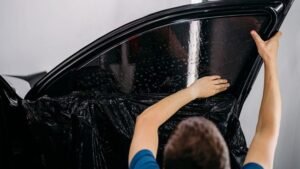
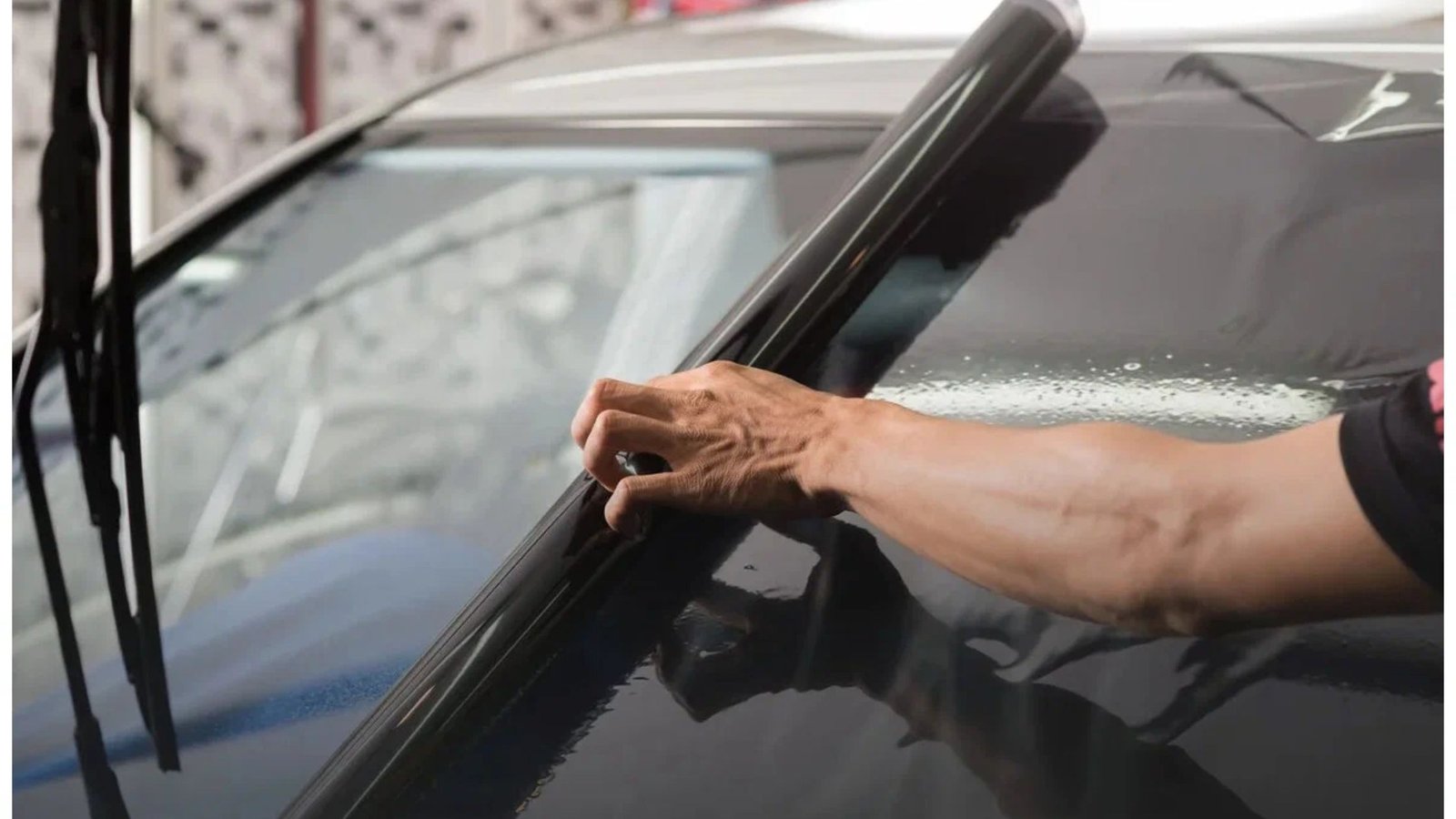
The time required for a professional window tinting installation usually ranges from two to four hours, depending on the number of windows and the complexity of the vehicle’s glass. High-end sports cars or vehicles with deeply curved rear windows may require additional time for precise shrinking and fitment. It is a meticulous process that involves deep cleaning the glass to remove every speck of dust, cutting the film to exact specifications, and then carefully applying it using specialized solutions and tools.
- Initial glass inspection and decontamination.
- Precision cutting using computer-aided templates or hand-trimming.
- Heat shrinking the film to match the curvature of the glass.
- Final application and squeegeeing to remove moisture.
- Post-installation inspection to ensure no bubbling or peeling.
While it might be tempting to look for a “quick” service, quality work takes time. Proper curing is essential for the film to bond correctly to the glass. In our local area, the humidity levels can affect drying times, so installers often recommend keeping your windows rolled up for at least three to five days following the service. If you are ready to schedule an appointment for your vehicle, you can contact us to find a time that fits your weekly routine.
What is the difference between ceramic and carbon window films?
Ceramic window film is widely considered the gold standard in the industry because of its superior heat rejection and clarity. It contains non-conductive ceramic particles that block a vast amount of infrared heat while remaining invisible to the naked eye. This means you do not need a dark “limo tint” to get incredible cooling performance. Furthermore, ceramic films do not interfere with electronic signals. This is crucial for modern vehicles that rely on GPS, cellular data, and internal radio antennas which can be disrupted by older metallic films.
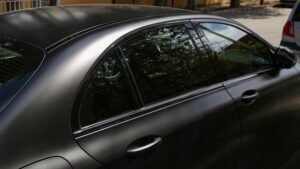
Carbon film, on the other hand, offers a unique matte finish and excellent longevity. It does not contain any metal, so it also avoids signal interference. Carbon films are highly effective at blocking heat and will not fade or turn purple over time like cheaper dyed alternatives. While ceramic film usually offers higher heat rejection percentages, carbon film is an excellent mid-tier option for drivers who want a stylish look and solid protection without the premium price point of top-tier ceramic technology.
- Ceramic: Best for heat rejection, signal transparency, and clarity.
- Carbon: Best for a matte look, durability, and budget-friendly quality.
- Dyed: Often used for aesthetics only; lacks significant heat rejection.
- Metallic: Good at heat rejection but can block cell signals and GPS.
Why is it important to choose a local specialist for window tinting?
Choosing a local specialist for window tinting in West Boylston ensures that you are working with someone who understands both the state laws and the specific environmental challenges of the region. Local shops rely on their reputation within the community, which usually leads to higher standards of craftsmanship and better customer service. If you ever have an issue with your film, such as a small imperfection or a warranty claim, a local provider is much easier to visit than a distant franchise.
Local experts are also familiar with the types of vehicles most common in the area, from rugged SUVs used for winter driving to the high-performance cars that come out in the spring. They know which films handle the salt and grime of New England winters best. For personalized advice on the best film for your lifestyle, you should contact us to discuss your goals. Supporting local businesses also keeps the economy in West Boylston strong, benefiting everyone from the small shops on Sterling Street to the larger businesses in the industrial parks.
Comparison of Window Film Technologies
| Film Type | Heat Rejection | UV Protection | Signal Interference | Durability |
| Standard Dyed | Low | Moderate | None | Low |
| Carbon Film | High | 99% | None | High |
| Ceramic Film | Highest | 99% | None | Highest |
| Metallic Film | High | High | High | Moderate |
Frequently Asked Questions
Can I wash my car immediately after getting window tint?
You can wash the exterior of your car immediately, but you must avoid cleaning the inside of the windows for at least a week. The film needs time to fully cure and bond to the glass. When you do eventually clean the interior, always use an ammonia-free cleaner and a soft microfiber towel to avoid scratching or damaging the film.
Will window tinting help with the glare from the sun on Route 12?
Yes, window tinting is exceptionally effective at reducing glare. By filtering out the intense light that bounces off the road and other vehicles, it reduces eye strain and makes for a much more comfortable driving experience, especially during the “golden hour” in West Boylston when the sun is low on the horizon.
Is it possible to remove old, bubbling window tint?
Yes, a professional can remove old window tint without damaging the underlying glass or the defroster lines on the rear window. It is highly recommended to have a professional handle this, as DIY removal often leaves behind stubborn adhesive residue that can be very difficult to clean without the right chemicals and steam tools.
Does window tinting make the windows harder to break?
While window film is not “bulletproof,” it does make the glass much harder to penetrate. It holds the glass fragments together, which can deter “smash and grab” thefts and provide an extra layer of protection for passengers in the event of a side-impact collision or a storm-related debris strike.
How do I know if my window tint is legal in Massachusetts?
Most professional shops use a VLT (Visible Light Transmission) meter to check the darkness of the film once it is applied. In Massachusetts, the combined limit for the glass and film must be above 35 percent. A reputable local installer will ensure your vehicle meets these specific state standards to avoid fines or failed inspections.
Conclusion
Investing in high-quality window tinting in West Boylston is one of the most practical upgrades you can make for your vehicle. Whether you are focused on protecting your leather interior from the harsh sun, reducing the heat during your daily commute, or ensuring your family is safe from shattered glass, the benefits are clear. By choosing the right technology, such as ceramic or carbon films, you ensure that your car remains a comfortable sanctuary regardless of the New England weather.
At Aesthetic Auto Solutions, we pride ourselves on being the trusted local service provider for the West Boylston community. We understand that your vehicle is a significant investment, and our commitment to excellence is reflected in our 4.9-star rating backed by 55 Google reviews from satisfied local drivers. Our goal is to provide a solution that enhances both its appearance and its longevity. If you are looking for a professional approach that prioritizes quality and customer satisfaction, Aesthetic Auto Solutions is here to help you achieve the perfect finish for your car.