How Soon Can You Wash Your Car After Getting PPF in West Boylston?
Driving your freshly protected vehicle home is an incredibly satisfying feeling, but maintaining that flawless finish requires understanding the critical curing process. When you invest in premium ppf in west boylston, preserving that smooth, crystal-clear surface depends heavily on your patience and washing techniques. Exposing the freshly applied film to water or cleaning chemicals too quickly can disrupt the adhesive bond, leading to lifting, bubbles, and premature wear. Knowing exactly how long to wait and how to wash your vehicle safely is the key to protecting your automotive investment.
How long should you wait to wash your car after getting PPF?
You should wait at least 7 full days before washing your car after getting paint protection film installed. This crucial waiting period allows the specialized acrylic adhesive underneath the polyurethane film to fully cure and bond securely to your vehicle’s factory clear coat. If you wash your vehicle too early, moisture can seep under the edges, compromising the structural integrity of the installation and causing the film to lift.
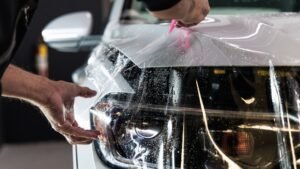
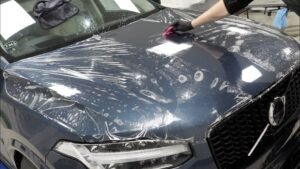
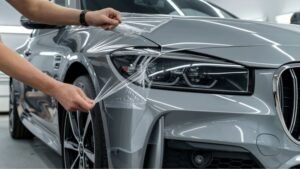
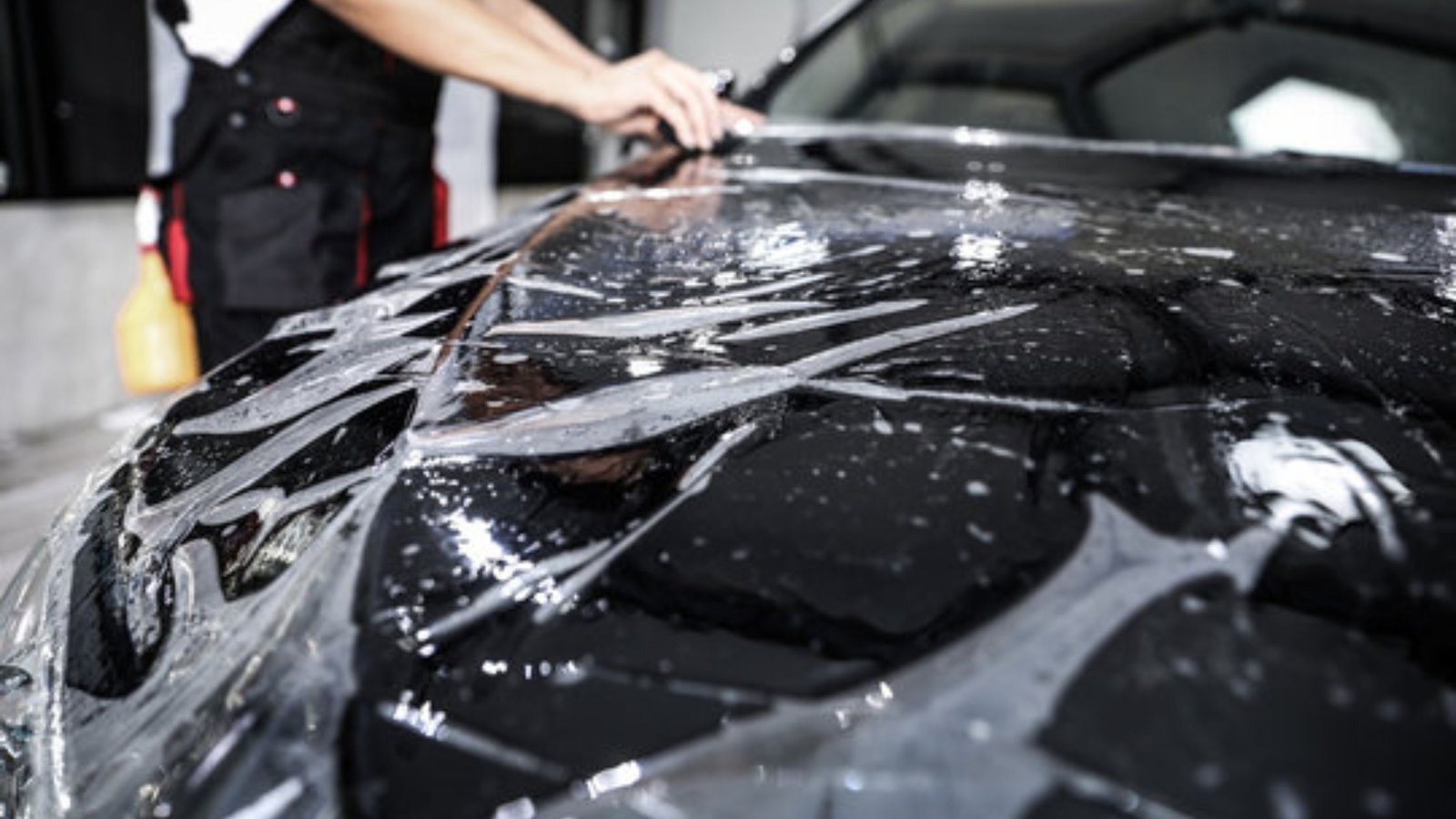
The installation of clear bra film is a highly detailed wet process. Installers utilize a specialized slip solution containing water and a mild lubricant to slide the polyurethane panels into perfect alignment on each painted surface. Once the squeegee process is finished, a microscopic amount of moisture naturally remains trapped between the film and the clear coat.
This leftover moisture must evaporate naturally through the semi-porous structure of the polyurethane material. This evaporation process is highly dependent on ambient temperatures and humidity levels. In Central Massachusetts, this drying cycle typically takes up to a full week to complete.
Attempting to wash your vehicle during this initial week is highly risky. Liquid water, high-pressure sprayers, and car shampoos can easily disrupt the edges before the adhesive has achieved its maximum bonding strength. Waiting at least seven days ensures that the film is completely sealed against your clear coat, making it safe for regular cleaning and maintenance.
Why the First Week is Critical for Your PPF in West Boylston
The first seven days following your installation represent the most vulnerable phase of the entire life cycle of your film. During this critical window, the adhesive system transitionally cures from a liquid state to a permanent, heavy-duty bond. Local environmental factors in Worcester County make managing this initial phase particularly challenging for daily drivers.
Daily travel past local landmarks like the historic Wachusett Reservoir or the busy West Boylston Town Common exposes your vehicle to continuous natural elements. If you park under dense tree canopies in nearby towns like Holden or Sterling, your car will inevitably collect organic debris. These contaminants present a challenge because you cannot simply wash them off immediately with traditional methods.
The road dust from major local corridors like Route 12, Route 140, and Interstate 190 can also settle on your vehicle during this first week. This airborne grit can stick to the edges of the newly installed film if it has not fully cured. Leaving the vehicle parked in a garage or a covered space during the first few days is the best way to shield it from these localized hazards.
If you must drive your vehicle during the initial curing phase, keep a close eye on the front bumper, hood, and mirror caps. Avoid driving closely behind large trucks that kick up excessive debris. Letting the film cure undisturbed in moderate ambient temperatures is the absolute best way to guarantee a seamless, long-lasting finish.
What Happens If You Wash Your Car Too Soon?
Getting high-quality ppf in west boylston involves a wet installation process that relies on specialized mounting solutions. If you wash your vehicle before this moisture completely evaporates, pressurized water or aggressive soap can easily penetrate the edges of the film. This moisture intrusion can lead to permanent damage that cannot be easily repaired.
The most common consequence of premature washing is edge lifting. When water under high pressure strikes the edge of an uncured panel, it lifts the polyurethane slightly and breaks the adhesive bond. Once an edge lifts, dirt and road grime will collect beneath the film, leaving a highly visible, dark line that ruins the seamless look of the installation.
Another common issue is the formation of water bubbles or localized cloudiness. While tiny moisture pockets are a normal part of the curing process and will evaporate on their own, washing the car can introduce additional moisture that gets trapped permanently. This excess water can cause the acrylic adhesive to break down, leaving unsightly hazy patches that compromise the clarity of the film.
Lastly, premature washing can permanently damage the self-healing topcoat. This specialized outermost layer is designed to heal minor swirls and scratches when exposed to heat. However, applying harsh chemicals or friction before the film has fully stabilized can interfere with the chemical composition of this self-healing polymer, reducing its effectiveness over time.
The Essential Guide to Washing a Car with PPF
Once the initial seven-day curing period has passed, you can safely wash your vehicle. However, washing a vehicle protected with film requires a modified technique to ensure you do not compromise the edges or scratch the self-healing topcoat. Implementing a safe workflow will keep both the film and your underlying paint looking immaculate.
Step 1: Pre-Rinsing and Using a Foam Cannon
Begin by thoroughly rinsing your vehicle with clean water to remove loose dirt, dust, and surface grit. Using a high-quality foam cannon filled with a pH-neutral car shampoo is highly recommended for this initial step. The thick foam clings to the surface, lifting abrasive dirt particles away from the film without the need for manual scrubbing.
When using a pressure washer, you must maintain a safe distance of at least 12 to 18 inches from the surface of the vehicle. Keep the spray nozzle moving constantly and never point the pressurized stream directly at the edges or seams of the film. High-pressure water can easily slice through the adhesive boundary if held too close to a seam.
Step 2: The Two-Bucket Hand Wash Method
Hand washing is the absolute safest way to clean a vehicle with protective film. Utilize the classic two-bucket method, where one bucket is filled with clean water for rinsing and the other is filled with soapy water. This setup prevents dirt from being transferred back onto your wash mitt, reducing the risk of scratching the film.
Always use a premium, soft microfiber wash mitt rather than a traditional sponge. Wash the vehicle from the top down, cleaning one panel at a time and rinsing your mitt frequently in the clean water bucket. Use light, straight-line motions rather than aggressive circular scrubbing, which can create unnecessary wear on the self-healing topcoat.
Step 3: Safe Drying Techniques
Drying your vehicle carefully is just as important as washing it safely. Avoid using coarse bath towels or old cotton shirts, as these materials can leave microscopic scratches on the polyurethane. Instead, use a large, plush, twisted-loop microfiber drying towel that gently absorbs water without aggressive rubbing.
Alternatively, using a dedicated car dryer, leaf blower, or compressed air is an excellent way to dry a protected vehicle. Blowing air across the panels removes water from tight crevices, badges, and film edges without any physical contact. Ensure that you blow the air down and away from the film edges, rather than pushing air directly underneath them.
A Clean Guide to Paint Protection Film Maintenance
Maintaining the performance and optical clarity of your polyurethane film goes beyond regular washing. Utilizing the correct products and addressing environmental contaminants promptly will ensure your film easily lasts for its intended lifespan. Proper maintenance preserves the self-healing properties and keeps the film looking completely invisible.
Products to Avoid on Polyurethane Film
Not all car care products are safe for use on modern clear bras. You must avoid any cleaning agents that contain harsh solvents, petroleum distillates, or heavy solvents like naphtha and kerosene. These aggressive chemicals can dry out the polyurethane, causing it to become brittle, yellow, or lose its gloss over time.
Never use abrasive compounds, polishes, or clay bars on top of your protective film. Abrasive products can wear down or completely strip away the delicate self-healing topcoat, leaving the film vulnerable to permanent scratching. If you need to polish unprotected areas of your vehicle, use automotive masking tape to completely cover and protect the edges of the film.
Dealing with Tree Sap and Bird Droppings in Central Massachusetts
Local environmental hazards require quick action, especially during the spring and summer seasons. If you park your car near the historic Old Stone Church or travel through heavily wooded areas in Clinton or Boylston, your vehicle will likely encounter sticky tree sap and acidic bird droppings. These substances are highly acidic and can etch into the film if left exposed to hot sunlight.
If you ever notice persistent organic stains or feel unsure about the condition of your film during the curing process, you can contact us to have our preservation specialists inspect the surface. Getting professional advice ensures you do not inadvertently void your warranty or damage the self-healing topcoat.
To safely remove these organic contaminants, spray the affected area with a dedicated, safe bug and sap remover or a mixture of isopropyl alcohol and water. Let the product dwell on the surface for a minute to break down the organic material. Gently wipe the spot clean using a plush microfiber towel, taking care not to scrub or apply heavy downward pressure.
Crucial PPF Aftercare Rules: Dos and Don’ts
To simplify your ongoing maintenance routine, we have compiled a direct comparison of safe practices versus high-risk habits. Following these simple guidelines will keep your protective film in pristine condition for up to a decade of daily driving.
| Maintenance Practice | Recommended Action (Safe) | High-Risk Habit (Avoid) |
| Washing Method | Gentle hand washing with the two-bucket system | Automatic brush car washes and nylon scrubbers |
| Soap Selection | pH-neutral car shampoos without wax additives | Dish soap, degreasers, or highly acidic cleaners |
| Pressure Washing | Maintain 18 inches distance, wide spray pattern | Holding the nozzle close to edges and seams |
| Drying Method | Twisted-loop microfiber towels or forced air | Coarse bath towels, bath sponges, or air drying |
| Contaminant Removal | Warm water soak, gentle microfiber wipe | Aggressive scrubbing, razor blades, clay bars |
| Surface Protection | Specialized ceramic coatings or synthetic sealants | Abrasive waxes, compounding polishes, naphtha |
Frequently Asked Questions About Washing New PPF
Can I use a pressure washer on my car with PPF?
Yes, you can use a pressure washer, but you must keep the nozzle at least 12 to 18 inches away from the surface and avoid spraying directly at the edges. Keep the water pressure below 2,000 PSI and utilize a wide fan nozzle rather than a narrow, pinpoint stream.
What should I do if I see small bubbles or water pockets under the film?
Do not attempt to pop, squeeze, or push these bubbles with your fingers or credit cards. These small moisture pockets are a normal part of the curing process and will naturally evaporate through the breathable polyurethane layer within a few weeks of exposure to warm sunlight.
Is it safe to take my car through an automatic brush car wash?
No, you should never take a vehicle with paint protection film through an automatic brush car wash. The spinning nylon brushes in these facilities are highly abrasive, can trap dirt from previous vehicles, scratch the self-healing topcoat, and catch on the edges of the film, causing instant lifting.
How do I remove stubborn bugs or road grime without damaging the film?
Soften the stubborn debris by placing a warm, damp microfiber towel over the area for a few minutes. Once the organic material is softened, spray it with a safe, pH-neutral bug remover and gently wipe it away without applying excessive downward pressure.
Can I apply wax or ceramic coatings on top of my new film?
Yes, but you must wait at least 14 days after installation to ensure the film has fully cured. Only use non-abrasive synthetic sealants or ceramic coatings specifically formulated for polyurethane surfaces, and avoid any waxes containing dye, petroleum distillates, or abrasive cleaners.
Conclusion: Protect Your Investment with Proper Care
Taking proper care of your vehicle after an installation ensures that your paint remains guarded against the harshest environmental threats. By understanding the critical seven-day curing period and adopting a gentle, systematic hand-washing routine, you preserve both the self-healing properties and the seamless appearance of your clear bra. Avoiding harsh automatic washes and aggressive cleaning chemicals is the easiest way to maximize the lifespan of your film.
When you are ready to experience the ultimate standard of automotive preservation, choosing premium ppf in west boylston ensures that your vehicle is prepared for any local road hazard. At Aesthetic Auto Solutions, we specialize in delivering meticulous vehicle protection services from our professional facility located right on Hartwell Street. We are incredibly proud of our commitment to excellence and maintain a perfect 5 star google rating as of today, helping local daily drivers navigate their commutes with complete peace of mind.