How Long Does Paint Protection Film Last on Cars in West Boylston?
Car owners in Central Massachusetts face a brutal combination of climate factors that aggressively degrade automotive paint. Between the heavy road salt laid down along Route 12 and the flying gravel kicked up during daily commutes on I-190, a vehicle’s exterior is under constant environmental bombardment. If you want to keep your vehicle looking showroom-new, investing in professional ppf in west boylston is the most reliable way to prevent permanent damage. A premium clear bra installation typically lasts between five and ten years, providing exceptional longevity while maintaining your vehicle’s visual appeal and financial resale value.
How Long Does PPF Last on a Car?
Paint protection film generally lasts between five and ten years on a passenger vehicle. This lifetime varies based on the quality of the film, the precision of the installation, and how well the vehicle is maintained.
While cheap, low-grade films may begin yellowing or peeling within two years, high-grade thermoplastic polyurethane films are engineered to endure. Industry leaders design these films with advanced chemical stabilizers that resist environmental degradation, ensuring long-term optical clarity.
When properly cared for, high-end film acts as an invisible, durable shield that preserves your original factory clear coat. Over its lifespan, the film absorbs physical impacts and blocks chemical contaminants, saving you thousands of dollars in potential repaint costs.
What Determines the Lifespan of Paint Protection Film?
Several interconnected variables dictate the actual lifespan of paint protection film on a vehicle. Understanding these factors can help you maximize your investment and ensure your clear bra remains structurally sound for a decade.
1. The Quality of the Material
Not all protective films are manufactured to the same standard. Low-tier, promotional-grade films often utilize cheap adhesives and thin monomeric PVC plastics that dry out, yellow, and crack quickly.
Premium films are constructed from medical-grade thermoplastic polyurethane. This flexible material stretches easily during installation and maintains its elastic, energy-absorbing properties for up to ten years without degrading.
2. The Professionalism of the Installation
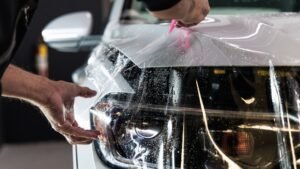
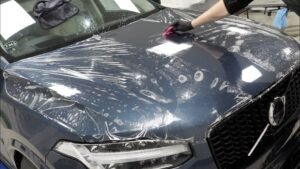
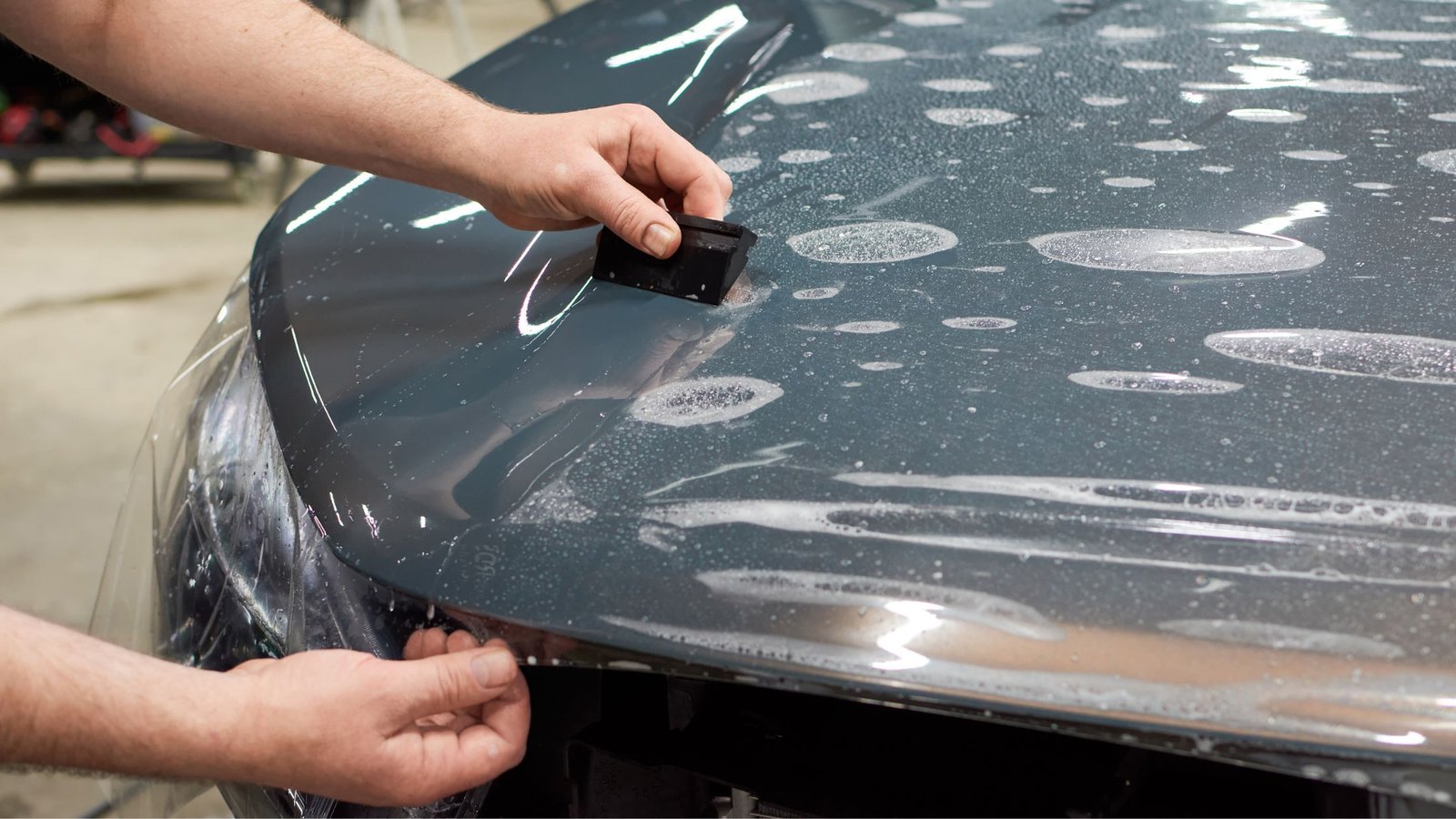
A paint protection film is only as good as the technician who applies it. Poor surface preparation is the leading cause of premature film failure, particularly along the edges of the vehicle panels.
If dirt, wax, or industrial fallout remains on the paint during application, the adhesive will fail to bond correctly. Professional installers perform a deep multi-stage decontamination wash, paint claying, and paint correction to guarantee a permanent, seamless bond.
3. Local Climate and Environmental Exposure
The weather patterns of Central Massachusetts are exceptionally taxing on automotive surfaces. Vehicles parked outside near the business districts of West Boylston endure harsh ultraviolet rays in the summer and freezing slush in the winter.
Extreme temperature swings cause the metal and plastic panels of your vehicle to expand and contract. Premium films are engineered with highly elastic properties to handle these changes, but constant outdoor storage will naturally wear the film faster than indoor garaging.
4. Vehicle Maintenance Habits
How you clean your vehicle directly impacts how long the protective film remains clear and bonded. Using abrasive automated car washes, harsh chemicals, or incorrect pressure washing techniques can damage the film or lift its edges.
Regular, gentle hand washing with pH-neutral soap prevents dirt and road grime from embedding into the pores of the film. Applying a compatible ceramic sealant or hydrophobic topcoat further extends the film’s resilience against seasonal elements.
Why is ppf in west boylston a Critical Defensive Shield?
Investing in professional ppf in west boylston ensures that your vehicle has an active physical barrier against the unique environmental hazards of Central Massachusetts. From the heavy sand distribution on Route 140 to the gravel kicked up near the scenic Wachusett Reservoir, local roads are filled with abrasive hazards.
During winter, municipal plow trucks scatter massive amounts of rock salt and liquid calcium chloride to keep the roads safe. These chemical de-icers stick to your car’s rocker panels and front bumper, creating a highly corrosive layer that eats away at unprotected factory paint.
A professional clear bra application stops this damage entirely. The elastic urethane layer absorbs the energy of physical impacts, preventing sharp stones from chipping your paint and exposing the underlying metal to rust-inducing winter moisture.
What are the Most Durable Paint Protection Solutions for Central Massachusetts?
When choosing how to safeguard your car’s exterior, it is helpful to compare the durability and performance of different products. While there are several durable paint protection solutions available on the market, they offer very different levels of defense.
Traditional waxes, modern ceramic coatings, and premium paint protection films each serve a specific purpose. Understanding these differences allows you to choose the right strategy for your driving habits.
The following table outlines the protective performance and average lifespan of these popular options:
| Protective Performance Criteria | Traditional Car Wax | Professional Ceramic Coating | Paint Protection Film (PPF) |
| Average Useful Lifespan | 1 to 3 Months | 2 to 5 Years | 5 to 10 Years |
| Physical Rock Chip Protection | None | Minimal | Exceptional (Urethane Shield) |
| Resistance to Swirl Marks | Low | Moderate | Maximum (Self-Healing) |
| Chemical and Salt Defense | Moderate (Short-term) | Exceptional (Long-term) | Exceptional (Long-term) |
| Maintenance Level Required | High (Frequent reapplication) | Low (Simple maintenance washes) | Low to Moderate (Regular washing) |
| Cost over Five Years | Moderate (Cumulative labor) | Moderate (One-time application) | High (Premium long-term value) |
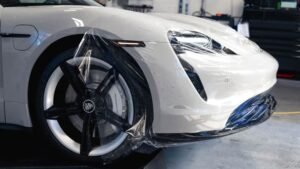
While ceramic coatings provide a highly hydrophobic surface that sheds dirt and chemical contaminants, they cannot absorb physical impacts. For maximum protection, local drivers often opt to install paint protection film on high-impact areas, such as the front bumper and hood, and coat the remaining panels with a ceramic sealant.
How Does Self-Healing PPF Technology Extend Film Lifespan?
Modern, high-grade polyurethane films are equipped with advanced self-healing PPF technology that keeps the vehicle looking pristine for years. This capability relies on an elastomeric polymer topcoat that remembers its original, flat shape.
When the film is scratched by light road debris, wash mitts, or keys, the top layer is compressed but not ruptured. When exposed to heat, either from the New England summer sun or warm water, the molecules in the polymer reform.
This thermal reaction causes the micro-scratches, swirl marks, and light abrasions to vanish completely. By eliminating the need for frequent paint correction or polishing, this self-healing technology keeps the film from becoming dull, hazy, or heavily worn over its decade of service.
Step-by-Step Maintenance Guide to Extend Film Longevity
While premium films are incredibly tough, practicing proper maintenance will significantly extend their usable lifespan. Implementing these straightforward habits ensures your clear bra remains clear, glossy, and fully bonded to your vehicle.
Proper Hand Washing Techniques
Hand washing is the safest and most effective way to keep your paint protection film clean. You should wash your vehicle in a shaded area out of direct sunlight using the two-bucket wash method to avoid reintroducing dirt to the panels.
- Step 1: Pre-Rinse: Thoroughly rinse the vehicle with a garden hose or a low-pressure power washer to remove loose dirt and heavy mud.
- Step 2: Use pH-Neutral Soap: Wash the vehicle using a high-quality, pH-neutral car shampoo and a clean, plush microfiber wash mitt.
- Step 3: Mind the Edges: Never spray water at a sharp angle directly against the edges of the film, as the high pressure can lift the adhesive.
- Step 4: Dry Gently: Dry the vehicle using a clean, soft microfiber drying towel, pressing gently rather than dragging the cloth forcefully across the surface.
Chemically Protecting Your Film
Using the correct surface protectants prevents road contaminants from staining or etching into the porous structure of the film. Over time, environmental pollutants like tree sap, bug splatters, and industrial fallout can degrade the top coat if left untreated.
Applying a specialized, PPF-safe ceramic booster or synthetic sealant every few months creates an ultra-hydrophobic layer over the film. This extra layer makes it incredibly difficult for dirt, water spots, and winter road salt to stick to the surface. You can contact us to consult on which maintenance products and professional sealants are safest for your specific film package.
Environmental Habits to Practice
Your daily parking and storage choices play a massive role in how many years of service you get out of your film. Reducing your vehicle’s exposure to extreme environmental stressors prevents premature aging and adhesive degradation.
- Park Indoors: Whenever possible, park your vehicle in a garage, carport, or shaded driveway to shield it from harsh UV radiation and falling tree sap.
- Address Spills Immediately: Clean off bird droppings, bug splatter, and tree sap as soon as you notice them, as their acidic content can eventually stain the film if baked in the sun.
- Avoid Automatic Brushed Washes: Never take a film-protected vehicle through an automatic car wash that uses spinning nylon brushes, which can cause physical tearing and edge lifting.
How Can You Tell When Your Clear Bra Needs to Be Replaced?
Even the highest-quality protective films will eventually reach the end of their useful lifespan. Recognizing the signs of an aging clear bra helps you plan for its safe removal and replacement before the underlying paint is affected.
Yellowing and UV Degradation
Older films manufactured over a decade ago used acrylic adhesives that turned yellow when exposed to sunlight. If your film is showing a distinct amber or yellow tint, the chemical components of the adhesive have degraded. Modern polyurethane films are highly resistant to yellowing, but decades of sun exposure can eventually cause subtle color shifts.
Edge Lifting and Dirt Accumulation
If the film was not wrapped correctly or was exposed to high-pressure wash wands, the edges may begin to lift from the panels. Once the adhesive loses its bond, road dirt and moisture will collect under the film, creating a dark, unsightly line that cannot be cleaned.
Loss of Elasticity and Cracking
As polyurethane ages under extreme New England temperature swings, it can lose its flexibility and become brittle. If you notice fine cracks, a dry texture, or a cloudy appearance on the surface of the film, it is time to have a professional safely remove the old film to avoid damage to your factory clear coat.
Frequently Asked Questions About PPF in Worcester County
How do I wash my car after PPF installation?
You should wait at least seven days after your installation before washing your vehicle to allow the adhesive to cure completely. After this curing window, hand wash the car using a pH-neutral car shampoo and a soft microfiber mitt, keeping any high-pressure sprayers at least two feet away from the film’s edges.
Can I wax or ceramic coat over my paint protection film?
Yes, you can apply ceramic coatings and synthetic sealants over premium films, which actually helps extend the film’s lifespan by providing additional hydrophobic protection. However, you must avoid using waxes that contain heavy abrasives, solvents, or naphtha, as these chemicals can damage the self-healing topcoat.
Will the cold New England winters cause my PPF to crack?
Premium modern films are engineered to remain highly flexible in freezing temperatures, preventing them from cracking or peeling during winter. Choosing a professional installation ensures the film can handle the extreme thermal expansion and contraction caused by local weather changes.
Can you remove PPF without damaging the factory paint?
Yes, high-quality paint protection film can be safely removed by a professional using controlled heat and specialized adhesive removers. Because the film is designed to be a sacrificial layer, the factory clear coat underneath will remain in the exact same condition it was in on the day of installation.
How does road salt affect the longevity of the film?
Road salt and liquid brines do not physically damage high-quality polyurethane, but they can leave dry, white mineral deposits on the surface. Washing your car regularly during the winter months prevents these mineral deposits from bonding to the film and dulling its glossy finish.
Protect Your Investment in Central Massachusetts
Navigating the changing seasons in Holden, Sterling, and West Boylston requires a proactive approach to automotive preservation. While winter road salt and spring gravel can quickly destroy a vehicle’s factory paint, high-quality paint protection film offers an incredibly durable defense. By choosing to install premium ppf in west boylston, you ensure that your vehicle remains shielded against physical and chemical road hazards for up to ten years.
At Aesthetic Auto Solutions, we deliver professional, detail-oriented vehicle protection services designed to handle the harshest New England conditions. Our certified technicians use industry-leading films and precision installation techniques to ensure your clear bra is completely seamless and incredibly long-lasting. Let us help you protect your automotive investment, maintain your vehicle’s resale value, and drive with complete confidence through every season.