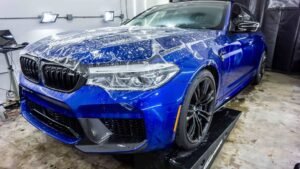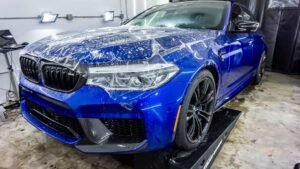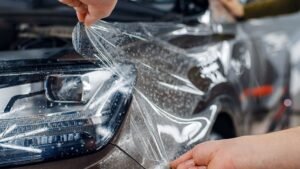
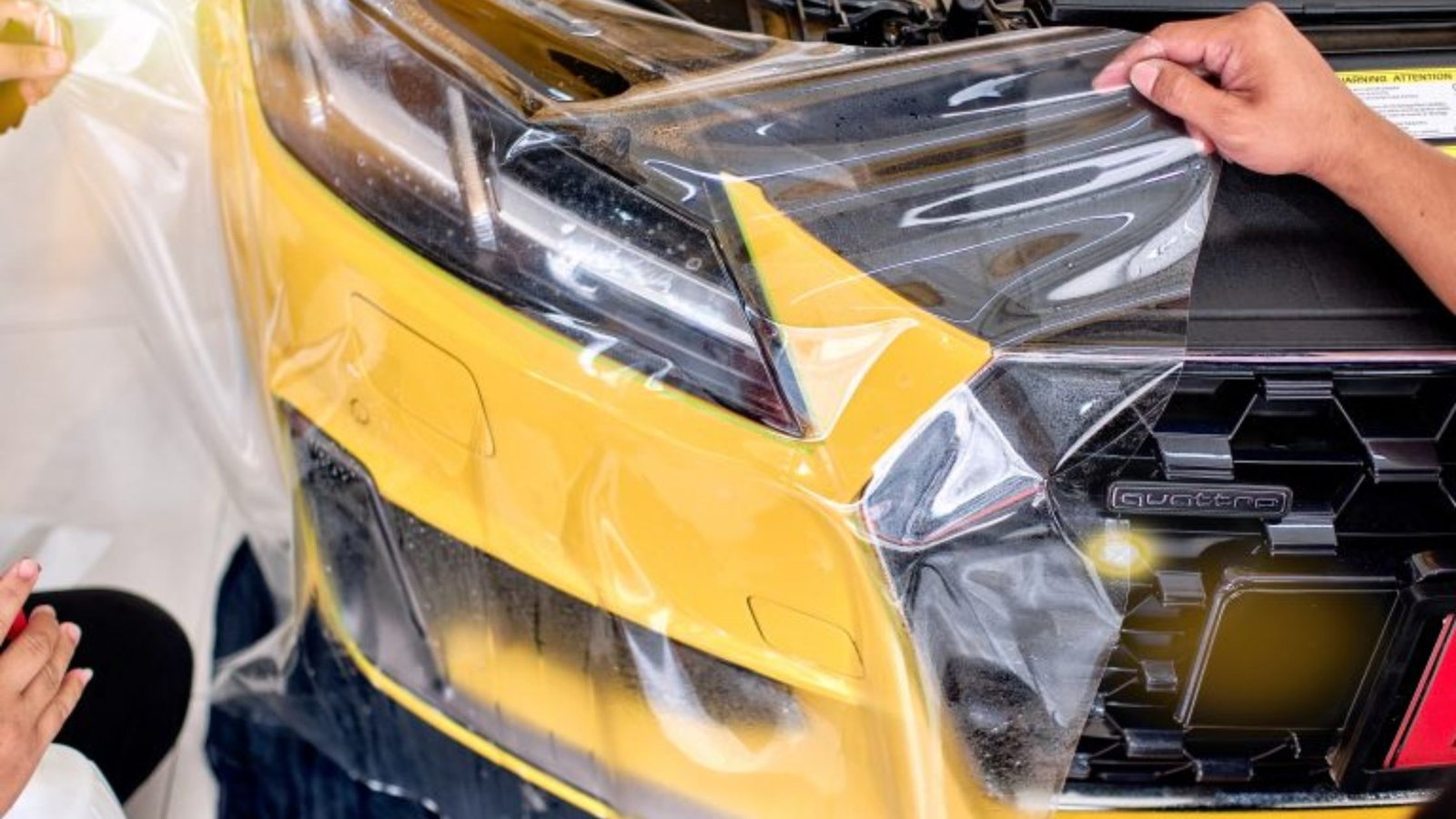
Can PPF Be Installed Over Repainted or Repaired Body Panels?
Yes. PPF can often be installed over properly repaired and fully cured body panels, but repainted surfaces need more careful evaluation than healthy factory paint. A professional PPF service should first confirm that the repaint is stable, properly bonded, smooth, and free from defects that could affect installation or future removal.
The most important factor is not simply whether the panel has been repainted. It is whether the repaired finish is suitable for an adhesive film.
Can PPF Be Installed Over Repainted Panels?
Yes. PPF over repainted panels is possible when the new finish has properly cured and is securely bonded to the panel.
Before installation, the repaint should be checked for:
- Peeling
- Cracking
- Blistering
- Loose paint
- Contamination
- Heavy texture
- Unstable touch-up work
A smooth, stable repaint provides a much better foundation for PPF than a recently repaired or poorly bonded finish.
Why Does Repainted Paint Need More Evaluation Than Factory Paint?
Factory paint is applied under highly controlled manufacturing conditions.
A body-shop repair can involve a different combination of:
- Primer
- Base coat
- Clear coat
- Sanding
- Blending
- Curing methods
That does not mean a repaint is automatically unsuitable for PPF.
It means the installer has less certainty about its adhesion and long-term behavior.
Does Repainted Paint Need to Cure Before PPF?
Yes.
Fresh paint should be allowed to cure according to the body shop or paint manufacturer’s recommendations before adhesive film is installed.
Cure time can vary based on:
- Paint system
- Clear coat
- Baking process
- Temperature
- Repair method
- Shop procedures
There is no universal waiting period that applies to every repaint.
The shop that performed the refinishing is the best source for the appropriate cure guidance.
Why Is Installing PPF Too Soon After Body Repair a Problem?
A fresh repaint may still be releasing solvents or developing its final surface properties.
Installing adhesive film too early can create uncertainty around:
- Film bonding
- Paint curing
- Future removal
- Surface appearance
Waiting until the paint is ready helps protect both the repaint and the PPF installation.
Should Paint Defects Be Corrected Before PPF?
Yes, when those defects would remain visible through the transparent film.
The current PPF service specifically notes that heavily scratched or swirled paint should be corrected before PPF because imperfections remain visible underneath clear film.
This is especially important after collision or body repair.
Possible issues include:
- Sanding marks
- Buffer holograms
- Swirl marks
- Dust nibs
- Polishing haze
- Surface contamination
PPF protects the surface underneath. It does not visually erase poor finishing work.
Can PPF Hide Imperfections in Repainted Paint?
No.
Clear film follows the appearance and texture of the surface beneath it.
A repaired panel with visible:
- Scratches
- Sanding marks
- Color mismatch
- Poor texture
- Haze
can still show those issues after PPF installation.
Surface preparation should happen first.
Can PPF Be Installed Over Touch-Up Paint?
Sometimes, provided the touch-up is properly cured and stable.
Touch-up paint can create:
- Raised spots
- Uneven texture
- Soft uncured material
Those areas may remain visible under transparent film.
If touch-up work is recent, the installer should know when it was performed and what cure time was recommended.
What Happens if Repaired Paint Has Poor Adhesion?
PPF should not be expected to stabilize failing paint.
If the paint underneath is already poorly bonded, future film removal can create additional risk.
Warning signs include:
- Flaking
- Peeling
- Lifting clear coat
- Cracking
- Blisters
- Failed edges
These are paint problems rather than PPF problems.
The underlying repair should be addressed before adding film.
Is PPF Removal Riskier on Repainted Panels?
It can be.
Healthy factory paint generally provides a predictable surface for professional film removal.
Repainted panels vary more because the installer may not know:
- How the paint was prepared
- Whether adhesion is strong
- How thick the clear coat is
- Whether repair materials were properly cured
A successful installation does not guarantee that a poorly bonded repaint will survive future removal without risk.
This possibility should be discussed before installation.
Can PPF Be Installed After Collision Repair?
Yes, once the repaired panels are properly finished and fully cured.
A good PPF installation after body repair should begin with an inspection rather than immediate film application.
The technician should confirm:
- Repair work is complete
- Paint is fully cured
- Surface is stable
- Polishing defects have been addressed
- Paint is clean
- No waxes or residues interfere with adhesion
Only then should PPF installation begin.
Does Body Filler Prevent PPF Installation?
Body filler beneath properly repaired and refinished paint does not automatically prevent PPF installation. The important surface for the film is the cured finished paint above it.
However, a heavily repaired area may have a less predictable paint system than an untouched factory panel. Repair history should therefore be disclosed whenever possible.
Can PPF Be Installed Over a Repainted Plastic Bumper?
It can be possible when the bumper has been properly refinished and cured.
Plastic bumpers are frequently repaired or repainted after minor collisions.
The same requirements apply:
- Stable paint
- Proper cure
- Clean surface
- No peeling
- No uncured repair materials
Bumper shape and flexibility also make installation technique important.
What if Only One Panel Was Repainted?
Only the repainted panel needs the additional paint-history evaluation.
The rest of the vehicle may still have original factory paint.
This is one reason PPF preparation should happen panel by panel rather than assuming the entire vehicle has identical paint.
A repaired fender may require a different level of caution than an untouched hood.
Can Paint Protection Film Be Applied Over a Repaired Panel With Holograms?
It can physically cover the panel, but correcting the holograms first usually produces a better visual result. Transparent film will not remove the machine-polishing trails. Once PPF is installed, correcting defects underneath would require removing the film.
Proper preparation prevents that unnecessary step.
Is Paint Protection Film on Repaired Paint Still Worth It?
Yes, when the repair is stable and the owner wants to reduce future physical damage.
Once appropriately prepared, paint protection film on repaired paint can help protect against:
- Rock chips
- Road debris
- Light scratches
- Minor abrasions
- Environmental exposure
The film does not undo the previous accident or repair.
It helps protect the finished surface going forward.
What Should Be Checked Before Installing PPF After a Repaint?
A focused inspection should confirm:
- The paint is cured
- The finish is stable
- No peeling or cracking is present
- Surface defects have been addressed
- Touch-up work is stable
- The panel is clean
- Previous coatings or waxes will not interfere
These checks are more important than simply asking how old the vehicle is.
For anyone considering PPF in West Boylston after body work, the actual paint condition should guide the decision.
FAQs About PPF on Repainted Panels
Can PPF be installed over a blended repair area?
Potentially, yes. A blended area should be fully cured and stable, but paint thickness and adhesion may vary across the transition.
Can a body shop install PPF immediately after repainting?
Installation timing should follow the paint system’s cure requirements. A newly refinished panel should not automatically receive film immediately.
Can PPF be installed over repaired carbon-fiber panels?
It may be possible if the finished surface is compatible and stable. The condition of the clear coat or refinished surface matters more than the underlying decorative material.
Will the PPF warranty cover failure of repainted paint underneath?
Film warranties generally cover specified film defects rather than problems caused by failing paint underneath. Exact warranty terms should be confirmed before installation.
Should repair records be shown to the PPF installer?
Yes, when available. Knowing which panels were refinished and when they were painted helps the installer evaluate them more accurately.
Repaired Paint Can Be Protected Once the Surface Is Ready
PPF can be installed over many repainted or repaired panels, but the paint must be fully cured, securely bonded, and properly prepared. Existing repair defects should be addressed before transparent film is installed.
For professional PPF in West Boylston, Aesthetic Auto Solutions evaluates paint condition before PPF and specifically requires visible scratches and swirls to be corrected before film is applied when necessary. Its 5 Star Google rating provides an additional trust signal for local vehicle owners. If your vehicle has recently undergone body or paint repair, contact us to determine whether the surface is ready for PPF.