Is a Multi-Layer Ceramic Coating Better Than a Single-Layer Application?
A multi-layer ceramic coating is often better than a single-layer application when you need maximum durability, enhanced chemical resistance, and an extended service life. For vehicle owners exploring professional ceramic coating in West Boylston, understanding the difference between these two application methods comes down to chemistry, film build, and real-world performance. While high-solids single-layer formulas deliver exceptional protection and value for everyday driving, engineered multi-layer systems create a thicker, dual-action barrier designed to survive harsh road conditions and prolonged environmental exposure.
Is a Multi-Layer Ceramic Coating Actually Better Than a Single Layer?
Yes, a multi-layer ceramic coating is generally better for long-term protection, provided the products used are specifically engineered to bond on top of one another. A properly designed multi-layer system uses a dense base coat to maximize clear coat bonding and surface hardness, followed by a dedicated topcoat that provides slickness, water beading, and chemical resilience.
However, stacking random layers of the same product does not automatically make a coating superior. True multi-layer systems rely on complementary chemical formulations rather than simply piling on liquid resin.
- Single-layer coatings: Deliver a balanced, all-in-one matrix of gloss, hydrophobicity, and chemical defense in one efficient application.
- Multi-layer systems: Separate surface bonding from exterior slickness, allowing each layer to perform a distinct protective function.
Choosing the right approach depends on how long you intend to keep your vehicle, your maintenance routine, and the environmental hazards your vehicle encounters daily.
How Does Ceramic Coating Chemical Bonding Work on Automotive Paint?
Ceramic coatings bond to automotive paint by forming covalent molecular bonds directly with the factory clear coat. Rather than sitting loosely on the surface like a carnauba wax or standard paint sealant, a liquid ceramic coating penetrates microscopic valleys in the clear coat resin.
Most professional coatings use silicon dioxide (SiO2), silicon carbide (SiC), or polysilazane suspended in volatile solvent carriers. As the technician spreads the liquid across the panel, the carrier solvents begin to evaporate, a phase known in the detailing industry as flashing.
During this flash phase, the active ceramic solids cross-link into a rigid, non-porous glass matrix. Once fully cured, this inorganic network becomes a semi-permanent extension of the paint itself. This dense molecular structure prevents water, road salts, bird acids, and industrial fallout from reaching the soft, porous clear coat underneath.
Single-Layer vs. Multi-Layer Vehicle Coating: Core Differences
The primary differences between single-layer and multi-layer applications center on cured thickness, longevity, chemical formulation, and installation labor.
A single-layer vehicle coating balances durability and installation speed, while a multi-layer ceramic coating focuses on maximizing structural thickness and tailored surface qualities.
| Comparison Factor | Single-Layer Ceramic Coating | Multi-Layer Ceramic Coating System |
|---|---|---|
| Formula Architecture | Integrated single-phase resin network | Dedicated primer coat with slick hydrophobic finish layer |
| Cured Thickness | 1 to 2 microns | 3 to 5+ microns |
| Typical Longevity | 2 to 5 years | 5 to 9+ years |
| Chemical Resistance | Standard broad-spectrum defense (pH 2 to pH 11) | Maximum chemical resilience (pH 2 to pH 13+) |
| Application Process | Streamlined single pass and wipe leveling | Multi-tiered installation requiring precise inter-coat flash windows |
| Curing Window Needed | 12 to 24 hours initial flash and cure | 24 to 48 hours utilizing infrared lamp baking |
| Primary Value | Exceptional cost effectiveness and rapid turnaround | Peak structural film build and maximum multi-year defense |
This ceramic coating layer comparison highlights that neither option is universally superior for every driver. A commuter vehicle on a short lease may benefit perfectly from a single-layer application, whereas a collector car or long-term family vehicle justifies a multi-layer strategy.
The Science of Stacking: Can You Actually Layer Ceramic Coatings?
You can only layer ceramic coatings if the underlying formula is engineered to accept an additional coat without rejecting or dissolving it. Stacking coatings requires precise chemical compatibility, as cured ceramic surfaces naturally repel liquids, including fresh liquid coating resin.
If an installer attempts to apply a second layer of a standard single-layer coating over a fully cured surface, the active solvents in the wet bottle can re-dissolve or strip the first layer. In other scenarios, the cured hydrophobic surface simply pushes the second layer away, creating cloudy smears, solvent haze, and premature coating failure.
True multi-layer systems solve this obstacle through two distinct formulations:
Dedicated Base Coats vs. Hydrophobic Top Coats
Engineered multi-layer systems use distinct formulas for each phase of the installation:
- Base coat chemistry: Formulated with high-density silazane or SiO2 resins designed to create an ultra-hard anchor to the clear coat. This foundation prioritizes thickness, chemical resistance, and structural integrity.
- Topcoat chemistry: Contains lower-viscosity fluoropolymers or modified siloxanes that cross-link with the base coat before it fully crystallizes. This top layer maximizes slickness, static water contact angle, and self-cleaning efficiency.
By dividing these duties, the base coat protects against industrial etching, while the topcoat prevents dirt and road grime from sticking to the vehicle.
The Diminishing Returns of Excessive Layers
Marketing campaigns occasionally claim that applying five, seven, or ten layers of ceramic coating creates an impenetrable armor. In real-world laboratory and field testing, this claim fails to hold up.
- Carrier solvent conflict: Each additional wet coat introduces aggressive solvents that risk destabilizing the lower layers.
- Inter-coat delamination: When ceramic builds past a critical threshold, the outer layers struggle to establish covalent bonds and can flake away under temperature fluctuations.
- Brittleness: An excessively thick glass matrix lacks the thermal flexibility needed to expand and contract alongside metal and plastic body panels.
Most premium coating manufacturers conclude that two to three carefully measured layers provide peak performance, beyond which additional layers produce diminishing returns.
Key Benefits of a Multi-Layer Ceramic Coating System
Installing a dedicated multi-layer system provides several distinct performance advantages over standard single-stage protection.
Enhanced Sacrificial Barrier Thickness
A multi-layer system creates a physical barrier measuring up to several microns thicker than a single-layer product. While this microscopic thickness will not stop high-velocity gravel impacts, it does provide extra depth to absorb wash-induced friction, towel marring, and chemical erosion before road fallout can compromise your factory paint.
Dual-Layer Functionality
A single coating formula must compromise between hardness and slickness. A multi-layer application eliminates this compromise by pairing a rigid foundation with an ultra-slick outer skin. The result is superior protection against acid rain and mineral spotting without sacrificing extreme hydrophobic water beading.
Extended Service Life
Because the specialized topcoat bears the brunt of UV radiation, road grit, and washing detergents, the underlying base coat remains shielded. As long as the vehicle receives routine maintenance and occasional topcoat rejuvenating treatments, a multi-layer installation can easily protect paint for five to nine years or longer.
Deeper Visual Depth and Reflectivity
Layering a dense base coat with a high-clarity topcoat alters how light reflects off the vehicle panels. The multi-tiered crystalline structure fills microscopic clear coat variations, creating a deep, wet-look reflection that single-layer sealants struggle to match.
When Is a Single-Layer Vehicle Coating the Right Choice?
A single-layer vehicle coating is the right choice when you want durable paint protection without the higher labor investment and extended shop downtime required for multi-layer installations. Modern chemical engineering has made high-solids single-stage coatings exceptionally robust.
A single-layer application is ideal in several common scenarios:
- Leased vehicles: Drivers returning a car within two to four years do not need seven-year multi-layer protection.
- Budget-conscious protection: Single-layer installations require fewer hours of labor and material, making them an accessible entry point to professional ceramic defense.
- Daily commuters: For vehicles parked primarily outdoors or driven on high-mileage work routes, a single-layer coating provides ample chemical defense and makes routine cleaning fast and effortless.
- Vehicles receiving frequent professional details: Car owners who visit their detailing shop annually for decontamination washes and maintenance top-ups receive fantastic results from a high-quality single-stage product.
How Does Professional Application Impact Layer Performance?
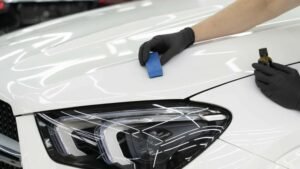
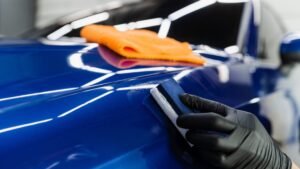
Professional application impacts layer performance by ensuring that every stage of surface decontamination, flash timing, and curing is executed under controlled conditions. The greatest chemical formulation in the world will fail if the underlying paint retains trace oils or if layers are stacked too quickly.
Certified automotive technicians execute a multi-phase preparation process:
- Surface decontamination: Installers remove embedded brake dust, industrial rail fallout, and environmental tar using specialized chemical iron dissolvers and mechanical clay bars.
- Precision paint correction: Technicians use dual-action polishers to remove swirl marks, wash scratches, and surface oxidation, establishing an optically flat clear coat.
- Panel cleansing wipes: An isopropyl alcohol or solvent wipe removes polishing lubricants and residual oils, ensuring bare paint contact.
- Flash time monitoring: Technicians track temperature and humidity to identify the exact second a layer begins to sweat or flash into an oily rainbow film before leveling it.
- Inter-coat flash windows: For multi-layer installations, technicians wait the precise number of minutes or hours specified by the chemist before laying down the secondary topcoat.
- Infrared heat curing: Professional shops utilize short-wave infrared curing lamps to heat panels evenly, driving out residual carrier solvents and speeding up cross-linking.
Why Choose Professional Ceramic Coating in West Boylston?
Choosing professional ceramic coating in West Boylston protects your vehicle against the aggressive, shifting weather patterns that define central Massachusetts.
Regional driving exposes your paint to harsh environmental extremes throughout the year. Winter roads are coated with corrosive magnesium chloride, rock salt, and abrasive sand that rapidly pit unprotected clear coats. Summer brings intense humidity, high UV indexes, tree sap, and road tar. When you schedule professional ceramic coating in West Boylston, trained technicians evaluate your vehicle paint condition, measure clear coat thickness, and guide you toward the optimal single-layer or multi-layer coating system for your daily driving routine.
Working with an experienced local detailing shop ensures that your vehicle is cured inside a climate-controlled bay shielded from unpredictable New England weather. This professional installation safeguards your paint investment, guarantees seamless chemical bonding, and makes seasonal car care simple.
Frequently Asked Questions About Ceramic Coating Layers
How many layers of ceramic coating are ideal for most vehicles?
Two layers are ideal for the vast majority of vehicles seeking enhanced protection. This setup typically consists of one dense base coat to bond with the paint and build structural thickness, followed by one hydrophobic topcoat to maximize water beading and surface slickness. Adding more than three layers generally yields diminishing returns.
Can you apply a second layer of ceramic coating years later?
No, you cannot apply a fresh layer of ceramic coating over an aged coating without thorough surface preparation. Over time, coatings collect road grime, mineral deposits, and microscopic scratches. Before applying a new layer, the vehicle must be chemically decontaminated and lightly machine-polished to remove the degraded surface and expose a clean foundation.
Does stacking five or ten layers of ceramic coating make paint bulletproof?
No, stacking five or ten layers of ceramic coating will not make automotive paint bulletproof or rock-chip proof. Ceramic coatings are liquid polymers that cure to a total thickness of just a few microns. They protect against chemical etching, UV fading, and wash marring, but they lack the physical mass and elasticity required to absorb high-speed road debris.
How thick is a single-layer coating compared to a multi-layer system?
A single-layer ceramic coating typically cures to a thickness between 1 and 2 microns, whereas a multi-layer system cures between 3 and 5 microns. For comparison, a single strand of human hair measures roughly 70 microns thick. While microscopic, this difference in thickness provides measurable increases in sacrificial scratch defense and chemical resistance.
What happens if you apply a second coat before the first coat flashes or cures?
Applying a second coat too early causes the carrier solvents in the fresh liquid to dissolve and smudge the initial layer. This interrupts the cross-linking process, leaving behind uneven high spots, persistent hazing, and compromised durability. Technicians must adhere strictly to the manufacturer’s designated cure windows between coats.
Choosing the Right Ceramic Protection for Your Vehicle
Both single-layer and multi-layer ceramic coatings deliver remarkable paint defense when compared to outdated waxes and synthetic sealants. A single-layer coating offers an efficient, cost-effective barrier that dramatically simplifies regular washing and protects against routine environmental hazards. Meanwhile, an engineered multi-layer system provides maximum film thickness, extended longevity, and dual-action chemical defense for vehicle owners seeking the ultimate long-term protection. Investing in professional ceramic coating in West Boylston ensures that your vehicle receives master-level surface correction and a climate-tailored ceramic installation suited to regional road conditions.
At Aesthetic Auto Solutions, our experienced detailing specialists evaluate your vehicle’s paint and help you select the exact coating system that fits your driving habits and budget. Backed by our 5 star google rating, we provide transparent recommendations, meticulous multi-stage prep work, and precision protective coatings that keep your car looking pristine. If you want to protect your vehicle with proven surface technology, contact us today to schedule your paint assessment and consultation.