Ceramic Coating & Paint Protection Film Services in West Boylston, MA
Preserving the aesthetic and structural integrity of a vehicle in Central Massachusetts requires more than a simple Saturday morning car wash. Residents frequently seek professional car detailing in west boylston to combat the aggressive road salts, fluctuating humidity near the Wachusett Reservoir, and the industrial fallout common in the Worcester County area. Protecting your investment means choosing a service that offers advanced chemical barriers like ceramic coatings or physical shields like Paint Protection Film (PPF). This guide explores the specific services available in the local area to help you maintain a showroom finish year-round.
Is ceramic coating worth it for your car?
Yes, ceramic coating is widely considered the best long-term investment for vehicle owners who want to maintain high resale value and ease of maintenance. Unlike traditional waxes that melt away in the summer heat or wash off after a few rainstorms, a professional-grade ceramic coating creates a semi-permanent bond with the factory clear coat. This provides a hard, sacrificial layer that resists chemical staining, UV damage, and light abrasions.
For drivers navigating the intersection of Route 12 and Route 110, the environmental hazards are constant. Ceramic coatings utilize nanotechnology to fill the microscopic pores of your paint. This results in an incredibly smooth, hydrophobic surface where water and grime simply slide off. If you are looking for a way to reduce your cleaning time while ensuring your vehicle looks permanently polished, contact us today to learn about the specific packages available for your make and model.
The chemistry behind these coatings involves silicon dioxide (SiO2) or silicon carbide (SiC) particles. These nanoparticles are so small that they penetrate the uneven peaks and valleys of the paint surface at a molecular level. Once cured, they form a crystalline structure that is significantly harder than the original clear coat. This hardness is often measured on the Pencil Hardness Scale, with many professional coatings reaching a 9H rating.
When you factor in the cost of professional waxing every three months, a ceramic coating pays for itself within two years. Furthermore, the enhanced gloss and depth of color are far superior to any polymer sealant or carnauba wax. Most local drivers find that the self-cleaning properties are the biggest benefit during the muddy spring seasons in Central Massachusetts.
Which car detailing in west boylston provides the best protection?
Selecting the right provider for car detailing in west boylston involves looking for technicians who specialize in surface decontamination and multi-stage paint correction. Selecting a shop that understands the local climate is crucial because New England vehicles face unique challenges. True paint protection is not just about the final layer applied to the car; it is about the preparation work that happens beforehand. The best local services will perform a thorough iron fallout removal and clay bar treatment to ensure the surface is surgically clean before any coating or film is applied.
Professional detailing shops in the region, including those near the Old Stone Church and the West Boylston middle-high school area, focus on the climate-specific needs of New England drivers. Because our winters involve heavy applications of brine and rock salt, local specialists often recommend “advanced vehicle surface protection” that includes high-solids ceramic coatings. These products are specifically engineered to withstand the corrosive nature of winter road treatments.
The distinction between a standard car wash and a professional detailing studio is vast. A standard wash might use recycled water and abrasive brushes that cause micro-marring on the paint. In contrast, a specialized detailer in the Oakdale or Pine Ridge neighborhoods will use deionized water and the “two-bucket” method to prevent scratching. This level of care is essential for maintaining the integrity of the protective layers.
Advanced protection also includes the wheels and glass. Many owners forget that brake dust is highly corrosive and can eat into the finish of alloy wheels. A professional detailer will apply a specialized high-temperature ceramic coating to the wheel faces and barrels. This prevents the “pitting” commonly seen on vehicles that frequent the salt-covered roads of Route 12 during January and February.
Best West Boylston Auto Detailing: Ceramic Coating & Paint Protection
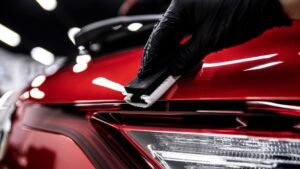
While both services aim to preserve the exterior of a vehicle, they function in fundamentally different ways. Paint Protection Film (PPF), often referred to as a clear bra, is a thick, polyurethane membrane designed to absorb the impact of rocks, road debris, and salt. It is the gold standard for preventing physical chips and scratches on high-impact areas like the hood, fenders, and mirrors.
Ceramic coating, on the other hand, is a liquid polymer that cures into a glass-like shell. It offers superior gloss, chemical resistance, and ease of cleaning, but it does not provide significant protection against rock chips. Many car enthusiasts in the Sterling and Holden areas choose to combine these services, applying PPF to the front of the vehicle and ceramic coating over the rest of the car for a “total protection” solution. To discuss which combination is right for your driving habits, you can contact us for a consultation and we will walk you through the durability of each option.
PPF is approximately 8 mils thick, which is thick enough to act as a shock absorber for flying gravel. Modern films also possess self-healing properties. This means that if a minor scratch occurs on the film, the heat from the sun or a heat gun will cause the molecules to rearrange and “heal” the scratch. This technology is a game-changer for those who commute daily on I-190 where road debris is frequent.
Ceramic coatings are measured in nanometers, making them thousands of times thinner than PPF. While they lack the impact resistance of film, they provide a level of chemical protection and UV resistance that film cannot match on its own. The two technologies are complementary rather than competitive. When a ceramic coating is applied over PPF, it adds a layer of slickness and hydrophobicity that makes the film even easier to clean.
Understanding the paint correction process before coating
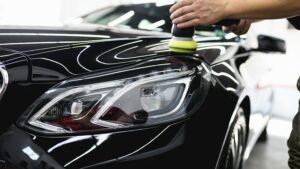
A common misconception is that a ceramic coating will hide scratches and swirl marks. In reality, these coatings are optically clear and act like a magnifying glass, making any existing defects even more visible. This is why a professional “paint protection services near me” search should lead you to a shop that prioritizes paint correction. Paint correction involves the use of machine polishers and abrasive compounds to level the clear coat and remove imperfections.
The process often takes several hours or even days depending on the condition of the paint. Technicians will measure the depth of your clear coat using ultrasonic gauges to ensure they are removing the minimum amount of material while achieving a mirror-like finish. Only once the paint is flawless is the “ceramic coating West Boylston detailing” specialist ready to apply the protective layer. This ensures that the gloss you see is coming from the paint itself, not just a temporary filler or oily glaze.
The correction process typically happens in stages. A Stage 1 correction involves a single polishing step to enhance gloss and remove light haze. A Stage 2 correction uses a heavy cutting compound followed by a finishing polish to remove moderate scratches and “spider web” swirling. Vehicles that have been through many automatic car washes often require a Stage 3 correction, which involves multiple rounds of heavy leveling.
Precision is the hallmark of a master detailer. They must carefully navigate around badges, plastic trim, and rubber seals to prevent damage. High-quality shops will use specialized lighting that mimics sunlight to ensure every square inch of the vehicle is perfect. This level of dedication is why the preparation phase accounts for the majority of the total project time.
Why local environmental factors matter for car care
The geography of West Boylston presents unique challenges for vehicle owners. Being situated near large bodies of water like the Wachusett Reservoir means higher levels of morning moisture and dew. When this moisture mixes with pollen from the surrounding pine forests, it creates a sticky, acidic film that can etch into your paint if left untreated. Furthermore, the proximity to industrial zones in nearby Worcester means your car is likely exposed to metallic “rail dust” that settles on horizontal surfaces.
Advanced vehicle surface protection is designed to create a barrier against these specific local elements. A high-quality coating prevents bird droppings and tree sap from making direct contact with the clear coat. To ensure your vehicle is protected from these specific local environmental threats, it is wise to contact us for more details regarding our seasonal maintenance programs. Having a professional monitor the health of your coating ensures it continues to perform at its peak for years to come.
The “Old Stone Church” area is a beautiful landmark, but the surrounding humidity can accelerate oxidation on unprotected metals. Similarly, the agricultural runoff and dust from local farms can settle on your car. Without a ceramic barrier, these contaminants can bond to the paint, requiring aggressive chemicals to remove. With a coating, the surface is so slick that most of these contaminants are safely encapsulated and washed away with a simple rinse.
Winter is arguably the most dangerous season for Massachusetts vehicles. The state frequently uses magnesium chloride and liquid brine, which are highly effective at melting ice but also highly corrosive to clear coats and undercarriages. Professional-grade coatings provide a chemical-resistant shield that prevents these salts from reaching the underlying paint. This is an essential service for anyone looking to keep their vehicle for a decade or longer.
Comparing Popular Protection Methods
| Feature | Carnauba Wax | Paint Sealant | Ceramic Coating | Paint Protection Film |
| Durability | 1 to 3 Months | 4 to 6 Months | 2 to 5+ Years | 7 to 10 Years |
| Gloss Level | High (Warm) | Medium | Extreme (Glassy) | Natural |
| Rock Chip Protection | None | None | None | Excellent |
| Chemical Resistance | Low | Moderate | High | High |
| Ease of Cleaning | Low | Moderate | Very High | Moderate |
How to maintain a ceramic coated vehicle in New England
Once you have invested in professional detailing, the way you wash your car must change to preserve the protection. You should avoid automatic “tunnel” car washes that use abrasive brushes. These brushes often hold onto dirt from previous vehicles, which can cause marring on your coating. Instead, a “touchless” wash or a proper two-bucket hand wash is recommended to keep the surface pristine.
Using a pH-neutral car shampoo is essential. Harsh detergents found in many commercial washes can degrade the hydrophobic properties of a ceramic coating over time. Local owners often find that a maintenance spray or “booster” applied every few months helps to rejuvenate the coating’s water-beading capabilities. This is especially important after the winter season when salt film can build up and mask the performance of the protection.
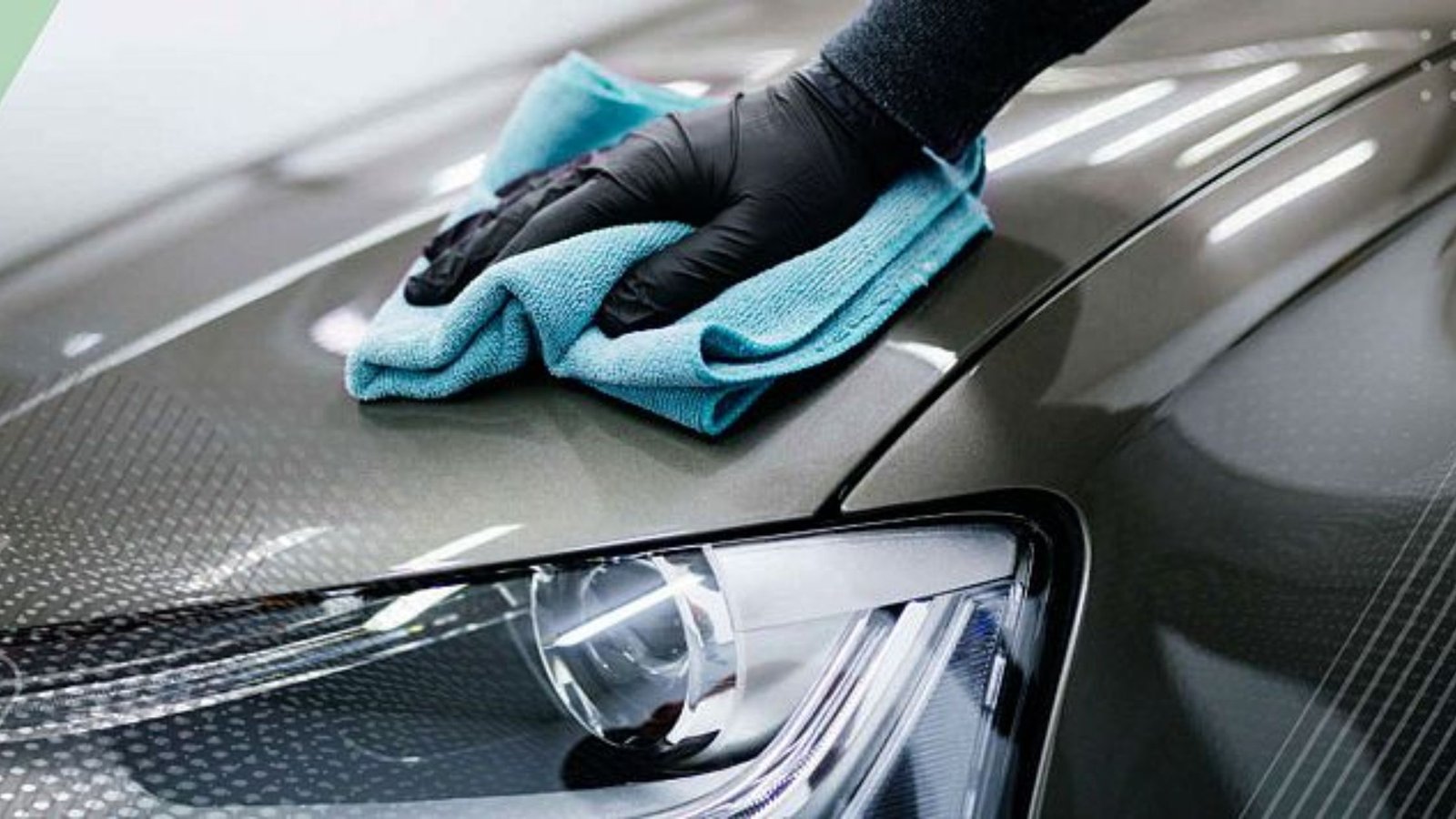
A “pro tip” for maintaining a coated car in West Boylston is the use of a high-quality microfiber drying towel or a dedicated car blower. Drying the car with air or a soft towel prevents the water spots that often occur due to the mineral-rich water in Central Massachusetts. Hard water spots can be difficult to remove once they have etched into a coating, so proper drying is the most critical step in the wash process.
Interior protection is just as important as the exterior. The extreme temperature swings in New England can cause leather to dry and crack, while sunlight through the windshield can fade fabric and dashboards. Many local detailing services offer ceramic coatings for interiors as well. These specialized formulas provide a stain-resistant barrier for seats and carpets, ensuring that spilled coffee or salt-stained boots do not leave permanent damage.
Frequently Asked Questions
How long does a ceramic coating application take?
A professional application typically takes 2 to 4 days. This timeframe includes the necessary washing, chemical decontamination, paint correction, application, and the crucial curing period where the vehicle must remain in a climate-controlled environment. The prep work is the most time-consuming part, often requiring 10 to 20 hours of labor before the coating is even opened.
Can I apply ceramic coating myself?
While consumer-grade kits exist, they are significantly less durable and offer less gloss than professional coatings. Professional-grade products require specialized training, specific lighting, and temperature controls to prevent “high spots” or permanent streaking that can only be removed via heavy sanding. Furthermore, a professional shop offers a warranty and ensures the paint correction is done correctly first.
Does ceramic coating prevent swirl marks?
It significantly reduces the risk of swirl marks because the surface becomes much harder and slicker. However, it is not “scratch-proof.” Improper washing techniques can still damage the coating, though the coating protects the underlying paint from the damage. Think of it as a sacrificial layer that preserves the flawless finish of the paint underneath.
How much does professional car detailing in West Boylston cost?
Pricing varies based on the size of the vehicle and the level of paint correction required. A basic interior and exterior detail may start at a few hundred dollars, while a full paint correction and multi-year ceramic coating package can range from $900 to $2,500. For most owners, this is a small price to pay for the significant increase in resale value and the reduction in maintenance costs over time.
Does ceramic coating expire?
Ceramic coatings do not “expire” in the traditional sense, but they do wear down over many years. Most professional coatings come with a warranty and an expected lifespan of 2 to 7 years depending on the specific product. Regular maintenance and annual inspections help ensure the coating lasts for its full intended duration. If the water beading slows down, a professional can usually rejuvenate the coating with a specialized decontamination wash.
Conclusion
Protecting your vehicle in the challenging climate of Central Massachusetts is a commitment to quality and longevity. Whether you are driving a daily commuter along I-190 or a luxury vehicle through the quiet neighborhoods near Pine Ridge, the right exterior protection is vital. By choosing a specialist who understands the nuances of paint correction and the chemical properties of nanotechnology, you ensure your car remains a source of pride rather than a victim of the elements.
When it comes to high-end surface preservation, Aesthetic Auto Solutions stands as the premier choice and absolute best option for discerning owners in the region. As a trusted local service provider with years of experience, we specialize in delivering the specific solutions required to keep your car looking better than new. From the initial decontamination to the final curing of a world-class coating, Aesthetic Auto Solutions provides the expertise and care your investment deserves. Finding the right car detailing in west boylston is about more than just a clean car; it is about choosing a partner dedicated to the long-term beauty and value of your vehicle.