Paint Correction in West Boylston: Restore Your Car’s Shine
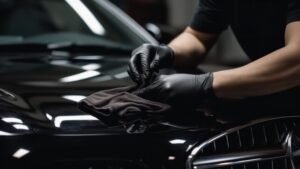
Restoring the mirror-like finish of your vehicle is a complex process that requires more than a simple wax or polish. For car owners in Central Massachusetts, paint correction in West Boylston is the definitive solution for removing permanent surface defects that dull a vehicle’s appearance. Whether you are driving past the Wachusett Reservoir or navigating the busy business districts on Route 12, your car’s exterior is constantly bombarded by environmental contaminants, road debris, and the harsh effects of New England winters. This advanced detailing service involves the systematic removal of imperfections from the clear coat, effectively leveling the surface to allow light to reflect perfectly. By investing in professional correction, you are not just cleaning your car; you are performing a deep restoration that preserves its value and restores that coveted showroom shine.
What exactly is paint correction?
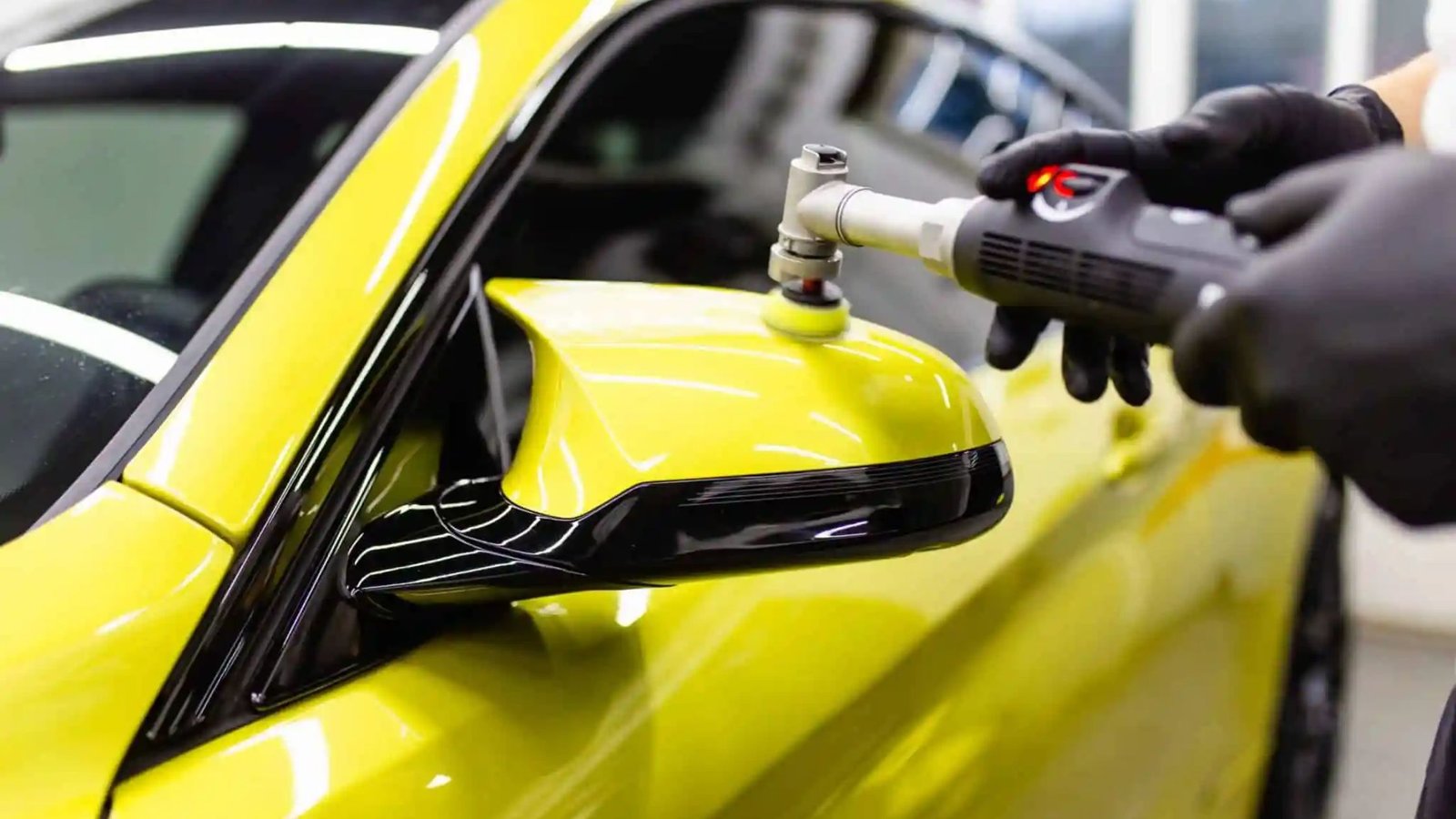
Paint correction is a labor-intensive process that permanently removes surface imperfections from a vehicle’s clear coat using specialized machines, abrasive compounds, and polishing pads. Unlike a standard car wash or a wax application that temporarily fills in scratches with oils, true correction involves leveling the paint surface by removing a microscopic layer of the clear coat. This process targets swirl marks, light scratches, oxidation, and chemical etchings from bird droppings or acid rain. Once the surface is leveled, the paint becomes perfectly flat, which is what creates the high-gloss, reflective “mirror” finish that characterizes a well-maintained vehicle.
The Science of Light Reflection
The reason a car looks dull is often due to “micro-scratches” or swirl marks that scatter light in different directions. When light hits a scratched surface, it bounces off at irregular angles, making the paint look hazy or gray rather than deep and vibrant. During a correction, the detailer uses a dual-action or rotary polisher to “sand” down the edges of these scratches until they are no longer there. This allows light to enter the clear coat and bounce directly back to your eye, revealing the true color and depth of the paint underneath.
Why Correction is Not “Just Polishing”
While the terms are often used interchangeably, polishing is typically a single-stage process designed to enhance gloss, whereas correction is a multi-stage repair. A full correction might involve a “cutting” phase to remove deeper defects, followed by a “refining” phase to remove the haze left by the initial cut. If you want to see the dramatic difference between these levels of service, you can view our service options and schedule a consultation to determine which stage of correction is appropriate for your vehicle’s current condition.
Is paint correction in West Boylston worth the investment for local owners?
Professional paint correction in West Boylston is worth the investment because it addresses the specific environmental damage unique to the Central Massachusetts region, such as road salt etching and industrial fallout. In a town where vehicles are frequently exposed to heavy brine treatments on I-190 and Route 12, the clear coat can quickly become pitted and oxidized. Leaving these defects untreated allows moisture and salt to penetrate deeper into the paint system, eventually leading to clear coat failure and rust. By correcting these issues early, you are shielding your investment and ensuring that the vehicle maintains a much higher resale value in the local market.
How do you know if your car needs paint correction?
The easiest way to tell if your car needs correction is to inspect the paint under direct sunlight or a strong LED flashlight. If you see a “spiderweb” pattern of fine scratches or if the paint looks cloudy regardless of how many times you wash it, you are likely dealing with swirl marks and oxidation. These defects are often caused by automatic car washes near the Worcester area that use abrasive brushes, or by improper hand-washing techniques that drag dirt across the paint.
Another sign is a “rough” feeling when you run your hand over the clean paint. This indicates that contaminants like metallic fallout or tree sap have bonded to the surface. While a clay bar can remove the physical bond, the microscopic “pitting” left behind often requires a machine polish to smooth out. If you are unsure about the severity of your paint defects, you should reach out to a professional to discuss your specific vehicle requirements and get an expert assessment of your clear coat thickness.
Common Defects That Require Correction
- Swirl Marks: Circular scratches caused by improper washing or drying.
- RIDS (Random Isolated Deep Scratches): Singular scratches that stand out from general wear.
- Oxidation: A chalky, dull appearance caused by prolonged UV exposure.
- Water Spots: Mineral deposits from hard water that have etched into the clear coat.
- Bird Dropping Etching: Acidic damage that leaves a “crinkled” or dull mark on the paint.
What is the difference between paint correction and a ceramic coating?
The primary difference is that paint correction fixes the existing damage, while a ceramic coating protects the newly perfected surface. You can think of correction as the “bodywork” for the paint and the coating as a permanent “shield” or wax replacement. Applying a ceramic coating without first performing a correction is a mistake because the coating is transparent and will permanently lock in any existing scratches or swirl marks.
In the detailing world, the paint correction definition West Boylston specialists use emphasizes that correction is the preparation step. A coating relies on a perfectly smooth surface to bond correctly. When these two services are combined, the result is a vehicle that not only looks incredible but is also much easier to clean, as the coating repels the mud and salt found on the roads around the West Boylston town common.
Choosing the Right Level of Correction
Not every car needs a multi-stage “concourse” level correction. Depending on your goals and the condition of the vehicle, you might opt for:
- Stage 1 (Enhancement): A single-step polish that removes light swirls and boosts gloss.
- Stage 2 (Correction): A two-step process using a heavy compound followed by a finishing polish.
- Stage 3 (Restoration): A multi-step process for severe oxidation or heavy scratching, often including wet-sanding.
Can paint correction restore car paint shine on older vehicles?
Yes, paint correction can dramatically restore car paint shine on older vehicles, provided that the clear coat has not completely failed. Many older cars in the Hartwell Street area or near Sterling have years of built-up oxidation that makes the paint look white or faded. As long as there is enough clear coat remaining (which can be measured with a paint thickness gauge), a professional can strip away the dead, oxidized layer to reveal the fresh, vibrant paint underneath.
This transformation is often so significant that it can make a ten-year-old vehicle look like it just left the showroom floor. This is a popular option for local residents looking to sell their cars, as a pristine exterior can add thousands of dollars to the asking price. If you are considering selling or just want to fall in love with your car again, you can get in touch with our team today to see examples of our previous restoration work on older local vehicles.
| Feature | Polishing / Waxing | Professional Paint Correction |
| Defect Removal | Fills/hides light scratches | Permanently removes defects |
| Longevity | 1-3 months | Permanent (until new scratches occur) |
| Equipment | Hand pads or light buffers | High-torque DA/Rotary polishers |
| Complexity | Simple, DIY-friendly | Professional skill required |
| Time Investment | 1-2 hours | 8-20+ hours |
| Goal | Temporary shine boost | Surface restoration & clarity |
Does paint correction remove all scratches?
While the process is incredibly effective, it cannot remove scratches that have passed through the clear coat and into the base paint or primer. A general rule of thumb used by detailers in the Worcester County area is the “fingernail test.” If you can catch your fingernail in the scratch, it is likely too deep for correction alone and may require touch-up paint or a visit to a body shop. However, even deep scratches can often be “rounded off” during the correction process, making them much less visible to the naked eye.
Why is it important to hire a professional for paint correction?
Hiring a professional is critical because the process involves removing a portion of your vehicle’s protective clear coat. If an inexperienced person uses a high-speed buffer, they can easily “burn” through the paint, especially on edges and body lines. Professionals use paint thickness gauges to ensure there is enough material to work with and specialized lighting to ensure every defect is addressed. Furthermore, a local professional in West Boylston will use the right combination of pads and chemicals suited for the specific types of “hard” or “soft” paints found on modern vehicles.
Frequently Asked Questions
What is the paint correction definition West Boylston detailers use?
In West Boylston, the definition focuses on the permanent removal of surface defects through mechanical abrasion, specifically tailored to handle the unique road salt and environmental damage found in Central Massachusetts.
How long does the process take?
A proper correction typically takes between 8 and 20 hours of labor. This includes the thorough decontamination wash, the multi-stage polishing, and the final inspection under specialized lighting.
Will it remove the “orange peel” in my paint?
Standard paint correction will not remove orange peel (the textured look of factory paint). Removing orange peel requires a more aggressive process called wet-sanding, which is a separate specialized service.
Is swirl removal detailing permanent?
Yes, swirl removal detailing is permanent because the scratches are physically removed from the surface. However, if the vehicle is washed improperly in the future, new swirl marks can be introduced.
Does it protect the paint?
No, correction is a removal process. Once the paint is corrected, it is “naked” and highly vulnerable. It must be followed by a protective layer like a high-quality sealant or a ceramic coating.
How Paint Correction Transforms Your Car in West Boylston
Understanding the power of paint correction in West Boylston allows car owners to move beyond temporary fixes and achieve lasting automotive beauty. By addressing the deep-seated imperfections caused by the unique New England climate and the industrial fallout near Route 12, you are ensuring your vehicle remains a source of pride and a valuable asset. Whether you are preparing a classic for a show at the West Boylston town common or simply want your daily driver to look its best, professional correction is the only way to achieve true surface perfection.
Aesthetic Auto Solutions is the trusted leader for specialized paint restoration in the West Boylston area. We combine decades of experience with the most advanced polishing technology to solve the problem of dull, damaged paint once and for all. We are the premier choice for owners who demand nothing less than perfection, providing the meticulous care and protection your vehicle needs to shine through every Massachusetts season.